

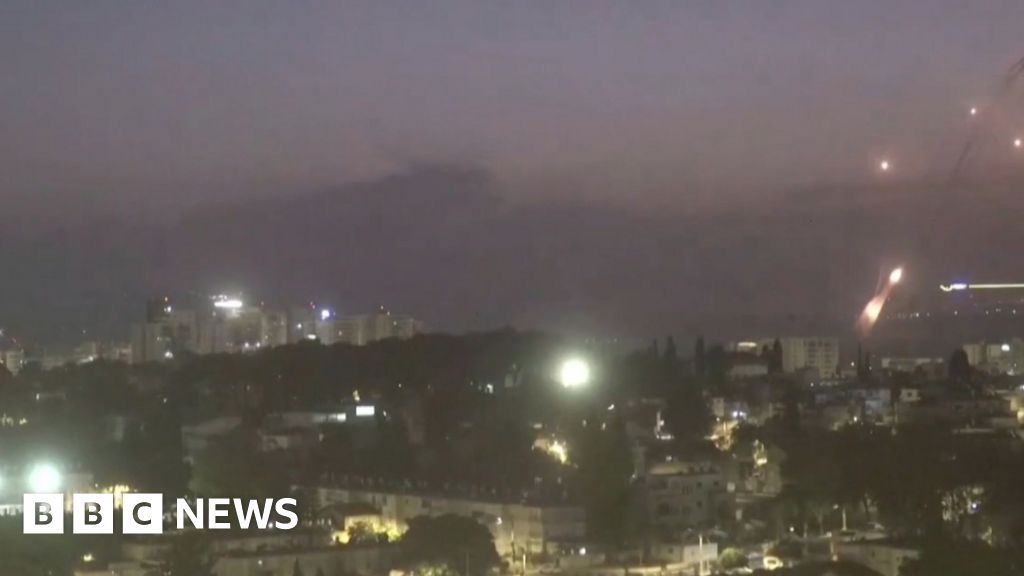
Fragments of a missile fired from Iran land on a street in Tel Aviv, escalating regional tensions. The cycle of conflict
Fragments of a missile fired from Iran have landed on a street in Tel Aviv, heightening existing regional tensions and raising concerns about the ongoing cycle of conflict in the Middle East. This incident marks a significant escalation in hostilities and poses a direct threat to the security and stability of the area.
The missile fragments, which fell in a populated area, could have resulted in severe casualties and damage, highlighting the precarious nature of security in Israel and the broader region. The event underscores the persistent volatility in the Middle East, where military actions and retaliatory strikes have become commonplace. It also reflects the broader geopolitical struggles involving Iran and its adversaries, particularly Israel, which has long viewed Iranian military capabilities as a direct threat to its national security.
In recent months, tensions have escalated as various factions within the region have engaged in provocative actions, including missile tests and military exercises. Iran's missile program has been a focal point of international concern, with many nations fearing that its advancements could destabilize the already fragile balance of power in the region. The incident in Tel Aviv serves as a stark reminder of the potential for conflict to spiral out of control, impacting not only the immediate parties involved but also neighboring countries and allies.
The implications of this missile incident extend beyond immediate security concerns. It raises questions about the effectiveness of diplomatic efforts aimed at curbing Iran's military ambitions and the potential for a broader conflict involving multiple nations. The international community has been closely monitoring Iran's activities, and this latest development may prompt renewed discussions about sanctions or other measures aimed at limiting Iran's missile capabilities.
For Qatar and other Gulf nations, the situation is particularly concerning. The Gulf states have been increasingly wary of Iranian influence in the region, especially as tensions between Iran and Israel continue to rise. Qatar has maintained a delicate balance in its foreign policy, seeking to engage with various regional players while also advocating for stability and peace. The missile incident in Tel Aviv could lead to a reevaluation of security strategies among Gulf nations, as they consider the implications of a more aggressive Iranian posture.
As the cycle of conflict continues to unfold, the need for dialogue and diplomatic solutions becomes ever more pressing. The international community must work collaboratively to address the underlying issues that contribute to regional instability. The recent missile incident serves as a critical reminder of the stakes involved and the urgent need for comprehensive strategies to promote peace and security in the Middle East.
النسخة العربية
آثار سقوط شظايا صاروخ أطلق من إيران على شارع في تل أبيب، مما يؤكد استمرار التوترات في المنطقة وتأثيرها على الأمن
شهدت مدينة تل أبيب حادثة مقلقة تمثلت في سقوط شظايا صاروخ أطلق من إيران، مما يعكس استمرار التوترات في المنطقة وتأثيرها على الأمن الإقليمي. يأتي هذا الحادث في ظل تصاعد التوترات بين إيران وإسرائيل، حيث تتبادل الدولتان الاتهامات والتهديدات بشكل مستمر، مما يزيد من حالة عدم الاستقرار في الشرق الأوسط.
تعتبر هذه الحادثة جزءاً من سلسلة من الأحداث التي تعكس التوترات المتزايدة بين إيران وإسرائيل، حيث تتهم الأخيرة إيران بدعم جماعات مسلحة في المنطقة تهدد أمنها. من جهتها، ترى إيران في إسرائيل تهديداً لأمنها القومي بسبب التحالفات الإسرائيلية مع بعض الدول الغربية. هذه التوترات ليست جديدة، بل تمتد لسنوات طويلة، حيث شهدت المنطقة العديد من المواجهات والتهديدات المتبادلة.
تثير هذه الحادثة قلقاً دولياً حول احتمالات تصاعد الصراع في المنطقة، خاصة وأن أي تصعيد بين إيران وإسرائيل قد يؤدي إلى تدخلات دولية ويزيد من تعقيد الأوضاع. المجتمع الدولي يراقب عن كثب هذه التطورات، حيث أن أي تصعيد قد يؤثر على استقرار المنطقة بشكل عام، ويؤدي إلى تداعيات اقتصادية وسياسية واسعة النطاق.
Source tweet
Fragments of a missile fired from Iran land on a street in Tel Aviv, escalating regional tensions. The cycle of conflict continues to threaten security and stability in the area.
More Stories
 Iran
IranIsrael Officials Say They May Not Get Desired Outcome On Iran Missiles
 BREAKING
North Korea Fires Multiple Ballistic Missiles Toward East Sea
 Politics
Air Raid Sirens Sound in Upper Galilee After Rockets Fired From Lebanon
 Gulf
GulfBahrain Announces Interception of Hundreds of Missiles, Drones Since Start of Iranian Aggression
 Gulf
Gulf