

Impact of War on Iran: Pakistan Faces LNG Shortage Crisis
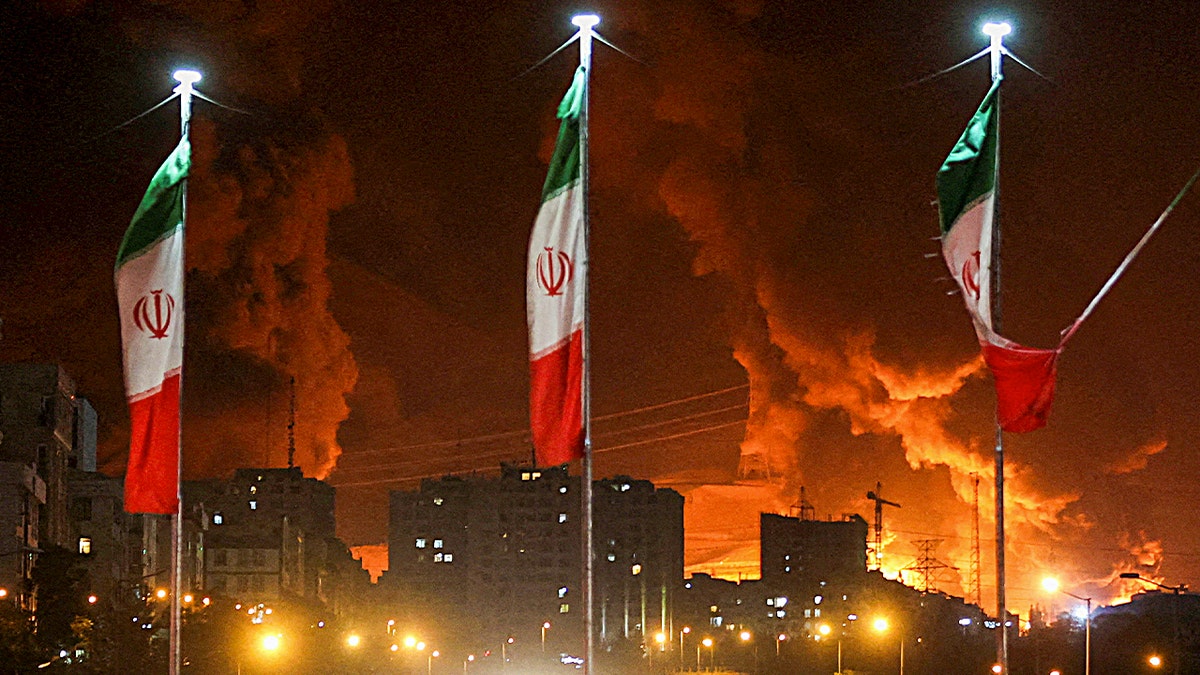
The ongoing conflict in Iran has dramatically altered Pakistan's liquefied natural gas (LNG) landscape, transforming what was once a surplus into a looming shortage that threatens the nation's energy security. As tensions escalate in Iran, the repercussions are being felt across borders, particularly in Pakistan, which has relied heavily on LNG imports to meet its energy demands.
Historically, Pakistan has enjoyed a relatively stable supply of LNG, allowing it to address its energy requirements and support economic growth. However, the recent hostilities in Iran have disrupted the regional energy market, leading to a significant decline in LNG availability. The conflict has not only affected Iran's production capabilities but has also led to increased prices and uncertainty in the global LNG market, further complicating Pakistan's ability to secure adequate supplies.
The significance of this shift cannot be understated. Pakistan's energy sector has been grappling with challenges for years, including an increasing demand for electricity and a reliance on fossil fuels. The transition from surplus to shortage in LNG supply exacerbates these issues, potentially leading to power outages and increased costs for consumers and businesses alike. As the country prepares for winter, the urgency of addressing this crisis becomes even more pronounced, with the risk of energy shortages looming over the population.
In response to the crisis, Pakistan is exploring various avenues to mitigate the impact of the LNG shortage. Government officials are engaging with international suppliers to secure alternative sources of LNG while also considering domestic energy production options. However, the volatility in the global energy market poses a significant challenge, as prices continue to fluctuate amid geopolitical tensions. The situation calls for immediate and strategic action to ensure that Pakistan can maintain its energy security and avoid the adverse effects of a prolonged shortage.
The implications of this crisis extend beyond Pakistan's borders, affecting the broader Gulf region. Energy security is a critical concern for many countries in the Gulf, and the instability in Iran could lead to a ripple effect that impacts supply chains and pricing structures across the region. As countries grapple with their own energy needs, the interconnectedness of the Gulf's energy markets means that a crisis in one nation can quickly escalate into a regional challenge.
The conflict in Iran has reshaped the LNG landscape for Pakistan, shifting it from a position of surplus to one of impending shortage. This development poses significant risks to the country's energy security and economic stability. As the situation evolves, it will be essential for Pakistan to navigate these challenges carefully while also considering the broader implications for the Gulf region's energy dynamics. The outcomes of this crisis could have lasting effects on energy policies and partnerships in the years to come.
النسخة العربية
تأثير الحرب على إيران: باكستان تواجه أزمة نقص الغاز الطبيعي المسال
تواجه باكستان أزمة وشيكة في إمدادات الغاز الطبيعي المسال (LNG) نتيجة للصراع المستمر في إيران، مما أدى إلى تحول ملحوظ من فائض في الغاز إلى نقص محتمل. هذا التحول قد يترك تأثيرات كبيرة على أمن الطاقة في المنطقة، حيث تعتمد باكستان بشكل كبير على الغاز الطبيعي المسال لتلبية احتياجاتها من الطاقة.
في الفترة الأخيرة، كانت باكستان تتمتع بفائض في إمدادات الغاز الطبيعي المسال، مما أتاح لها تلبية الطلب المحلي المتزايد على الطاقة. إلا أن التوترات المتصاعدة في إيران، التي تُعد واحدة من أكبر منتجي الغاز الطبيعي في العالم، أثرت بشكل كبير على سلسلة التوريد، مما أدى إلى تقليص الكميات المتاحة للتصدير إلى باكستان. هذا الوضع يعكس مدى الترابط بين الأزمات الجيوسياسية وإمدادات الطاقة العالمية، حيث يمكن لأي اضطراب في منطقة غنية بالموارد أن يؤثر بشكل كبير على الأسواق الإقليمية والدولية.
تأتي الأزمة الحالية في باكستان في وقت حرج، حيث تسعى البلاد إلى تعزيز اقتصادها وتحسين بنيتها التحتية للطاقة. تعتمد باكستان بشكل كبير على الغاز الطبيعي المسال لتوليد الكهرباء وتلبية احتياجات الصناعة، وأي نقص في الإمدادات قد يؤدي إلى انقطاعات في الطاقة وزيادة في التكاليف التشغيلية. بالإضافة إلى ذلك، قد يؤثر هذا النقص على خطط الحكومة الباكستانية لتوسيع شبكة الطاقة وتحسين كفاءتها، مما يضع ضغوطاً إضافية على الاقتصاد المحلي.
Source tweet
The ongoing conflict in Iran has shifted Pakistan's LNG landscape from surplus to a looming shortage. This shift could have significant implications for energy security in the region. Read more about the unfolding crisis.
More Stories
 Iran
IranPakistani Foreign Ministry Discusses Nuclear Issue with Tehran and Washington
 Diplomacy
Pakistan PM Visits Region
 Gulf
GulfPakistani Prime Minister Begins Tour of Saudi Arabia Qatar Turkey
 BREAKING
Netanyahu Claims Trump Administration Provides Daily Updates on Iran Negotiations, Faces Criticism
 BREAKING