

Iran Attacks Kuwaiti Oil Tanker as US 82nd Airborne Arrives in Middle East
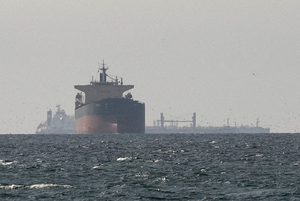
Tensions in the Middle East escalated dramatically as Iran launched an attack on a Kuwaiti oil tanker docked in Dubai, coinciding with the arrival of the U.S. 82nd Airborne Division in the region to enhance security measures. This incident marks a significant escalation in hostilities between Iran and its regional adversaries, particularly the United States and its allies. The attack on the Kuwaiti vessel comes amid heightened tensions following the failure of diplomatic negotiations surrounding Iran's nuclear program and the imposition of stringent economic sanctions. The U.S. has been vocal in its stance against Iran, with President Donald Trump issuing stark warnings of severe consequences should negotiations fail, including threats to destroy strategic sites. In response, Iran has intensified its military posturing, including the recent attack, which underscores the precarious security situation in the Gulf region.
Iran's actions are part of a broader strategy that includes the recent approval by its parliament to impose tolls on vessels passing through the strategically vital Strait of Hormuz. This legislation aims to bolster Iran's control over maritime traffic in the region, where approximately 20% of the world's oil supply transits. The tolls are expected to generate significant revenue for Iran, potentially amounting to $100 billion annually, which would represent a substantial portion of the country's GDP. Additionally, the new regulations explicitly prohibit U.S. and Israeli vessels from passing through the strait, further complicating the already tense maritime security environment.
The U.S. military's deployment of the 82nd Airborne Division, comprising thousands of troops, signals a readiness to respond to any potential escalation in conflict. This move follows the recent buildup of U.S. Marine forces in the region, indicating a robust military presence aimed at deterring Iranian aggression. The U.S. has been closely monitoring Iran's military activities and has expressed concerns over the implications of Iran's toll collection plans for global energy security.
Iran's military strategy also appears to extend beyond the Strait of Hormuz, with reports indicating that Iranian officials are preparing to target vessels in the Red Sea should conflicts with Yemen's Houthi rebels escalate. This potential expansion of hostilities raises alarms about the broader implications for international shipping routes and energy markets, with countries like South Korea acknowledging the risks associated with navigating the strait under the new Iranian regulations.
From a Gulf perspective, the recent developments highlight the urgent need for regional cooperation to address security challenges posed by Iran's aggressive actions. The Gulf Cooperation Council member states are likely to reassess their security strategies in light of Iran's increasing assertiveness and the potential for further military confrontations. The situation calls for a coordinated response to safeguard maritime trade routes and ensure the stability of energy supplies critical to the global economy. As tensions continue to rise, the Gulf states must navigate a complex landscape of diplomacy and military readiness to protect their national interests and regional stability.
النسخة العربية
إيران تهاجم ناقلة نفط كويتية وصول 82 المحمولة جواً الأمريكية إلى الشرق الأوسط
في تصاعد جديد للتوترات الإقليمية، هاجمت إيران ناقلة نفط كويتية كانت راسية في ميناء دبي، في خطوة تتزامن مع وصول الفرقة 82 المحمولة جواً الأمريكية إلى الشرق الأوسط لتعزيز الأمن في المنطقة.
الهجوم الإيراني على الناقلة الكويتية يعكس تصاعد التوترات بين الولايات المتحدة وإيران، خاصة في ظل التهديدات المتبادلة بين البلدين. الرئيس الأمريكي السابق دونالد ترامب هدد بتدمير المنشآت الإيرانية إذا لم يتم التوصل إلى اتفاق نووي جديد، بينما ردت إيران بتصعيد إجراءاتها في مضيق هرمز، حيث وافق البرلمان الإيراني على خطة لفرض رسوم مرور على السفن العابرة للمضيق، مما يزيد من تعقيد الوضع في منطقة تعتبر شرياناً حيوياً لنقل النفط العالمي.
تأتي هذه التطورات في وقت حساس، حيث يمر عبر مضيق هرمز حوالي 20% من حركة النفط العالمية، وأي اضطراب في هذه المنطقة قد يؤدي إلى تأثيرات كبيرة على أسواق الطاقة العالمية. تسعى إيران من خلال هذه الإجراءات إلى الضغط على المجتمع الدولي لرفع العقوبات الاقتصادية المفروضة عليها، والتي أثرت بشكل كبير على اقتصادها.
Source tweet
Tensions escalate as Iran attacks a Kuwaiti oil tanker. Meanwhile, the US 82nd Airborne Division has arrived in the Middle East to bolster security in the region. #Iran #Kuwait #USMilitary
More Stories
 BREAKING
Canadian Foreign Minister Urges Israel to Cease Attacks After Citizen Killed in Lebanon
 Iran
IranUS-Sanctioned Oil Tanker Passes Through Strait of Hormuz Despite Blockade
 Palestine
UN Experts Condemn Attacks on Gaza Shelters and West Bank Displacement
 BREAKING
US-Israeli Attacks on Iran Result in 278 Student Deaths, Extensive Infrastructure Damage
 BREAKING