

Iran Hits Kuwait Energy Sites
Iran has reportedly launched missile strikes targeting energy sites in Kuwait, escalating tensions in the region amid ongoing conflicts involving Israel and the United States. This development raises concerns about the security of critical infrastructure in Gulf nations and the potential for further military confrontations.
The missile strikes occur during a period of heightened geopolitical instability, particularly following recent military engagements in the region. The situation has been exacerbated by ongoing U.S.-Israeli military operations against Iranian interests, which have seen increased activity in the form of missile and drone strikes. The attacks on Kuwait's energy infrastructure could signify a broader strategy by Iran to retaliate against its adversaries and assert its influence in the Gulf, a region vital for global energy supplies.
Kuwait, like many of its neighbors, relies heavily on its oil and gas sectors, which are crucial to its economy. The implications of such strikes could be severe, not only for Kuwait but for the entire Gulf Cooperation Council region. Disruption to energy supplies could lead to increased oil prices globally, affecting economies far beyond the Middle East. Additionally, the strikes may provoke a military response from Kuwait or its allies, potentially escalating hostilities.
The international community is closely monitoring the situation, as any significant military escalation could have far-reaching consequences. The United States, which has a vested interest in maintaining stability in the Gulf, may be compelled to reassess its military posture in the region. The potential for a wider conflict involving multiple nations remains a serious concern, particularly as Iran continues to develop its missile capabilities and assert its military presence.
From a Gulf perspective, the strikes highlight the vulnerabilities faced by regional countries amid ongoing tensions. The Gulf Cooperation Council nations have historically relied on collective security arrangements to deter threats, but the effectiveness of these alliances is being tested in light of recent developments. As Iran demonstrates its willingness to target neighboring countries, the need for a coordinated response among Gulf states becomes increasingly urgent. The situation calls for diplomatic efforts to de-escalate tensions and address the underlying issues contributing to the ongoing conflict in the region.
النسخة العربية
إيران تقصف مواقع طاقة في الكويت
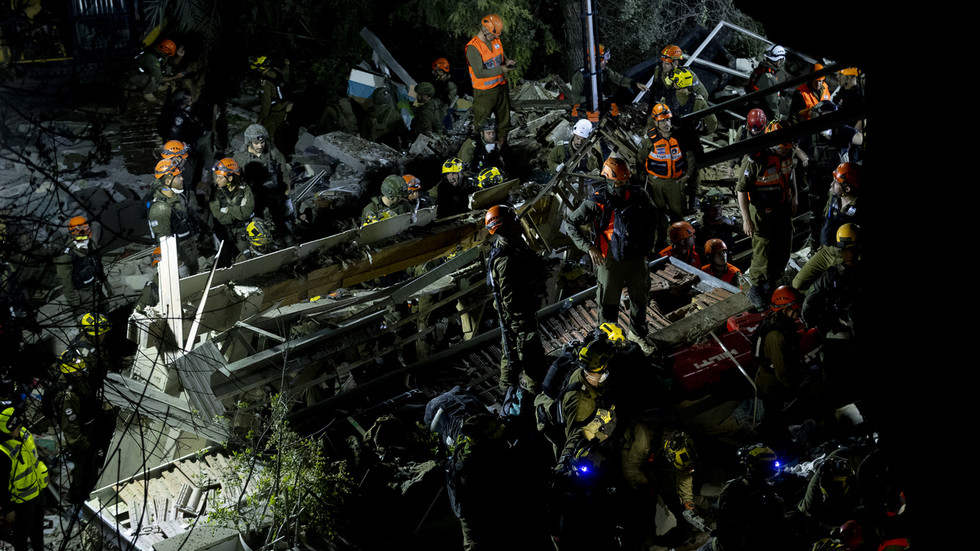
في تطور جديد للأحداث في الشرق الأوسط، تعرضت مدينة حيفا الإسرائيلية لهجوم صاروخي إيراني، مما أدى إلى انهيار مبنى سكني وترك أربعة أشخاص محاصرين تحت الأنقاض. يأتي هذا الهجوم في سياق تصاعد التوترات بين الولايات المتحدة وإسرائيل من جهة وإيران من جهة أخرى، حيث تتبادل الأطراف الضربات الصاروخية والطائرات المسيرة في المنطقة.
الهجوم الإيراني على حيفا يعكس تعقيد الصراع في الشرق الأوسط، حيث تتداخل المصالح الإقليمية والدولية. وقد أثار هذا الهجوم قلقًا واسعًا في المجتمع الدولي، خاصة مع تزايد المخاوف من احتمال تصعيد الصراع إلى مستويات أكثر خطورة. الولايات المتحدة، التي تدعم إسرائيل بشكل قوي، هددت في وقت سابق بقصف محطات الطاقة والجسور الإيرانية إذا استمرت الهجمات، مما يزيد من احتمالية توسيع نطاق الصراع.
وفقًا للتقارير، فإن الهجوم الصاروخي الإيراني على حيفا هو جزء من سلسلة من الهجمات المتبادلة التي شهدتها المنطقة في الأيام الأخيرة. وقد بدأت عمليات البحث والإنقاذ فور وقوع الهجوم، حيث تعمل فرق الطوارئ على إنقاذ الأشخاص المحاصرين تحت الأنقاض. في الوقت نفسه، فتحت السلطات الإسرائيلية تحقيقًا في سبب فشل نظام الدفاع الصاروخي في اعتراض الصاروخ الإيراني.
Source tweet
Iran hits energy sites in Kuwait 🚨🇰🇼
More Stories
 Gulf
GulfQatarEnergy CEO Announces Promising Discovery in Republic of Congo to Expand Portfolio
 Gulf
GulfQatarEnergy Strikes Oil in Offshore Congo Amid Africa Expansion Push
 Gulf
GulfQatarEnergy Announces Offshore Hydrocarbon Discovery in Moho Nord Field, Republic of Congo
 BREAKING
Hezbollah Reports 60 Operations Against Occupation Sites in 24 Hours
 Gulf
Gulf