

Iran War Triggers Fuel Crisis Across Africa as Governments React
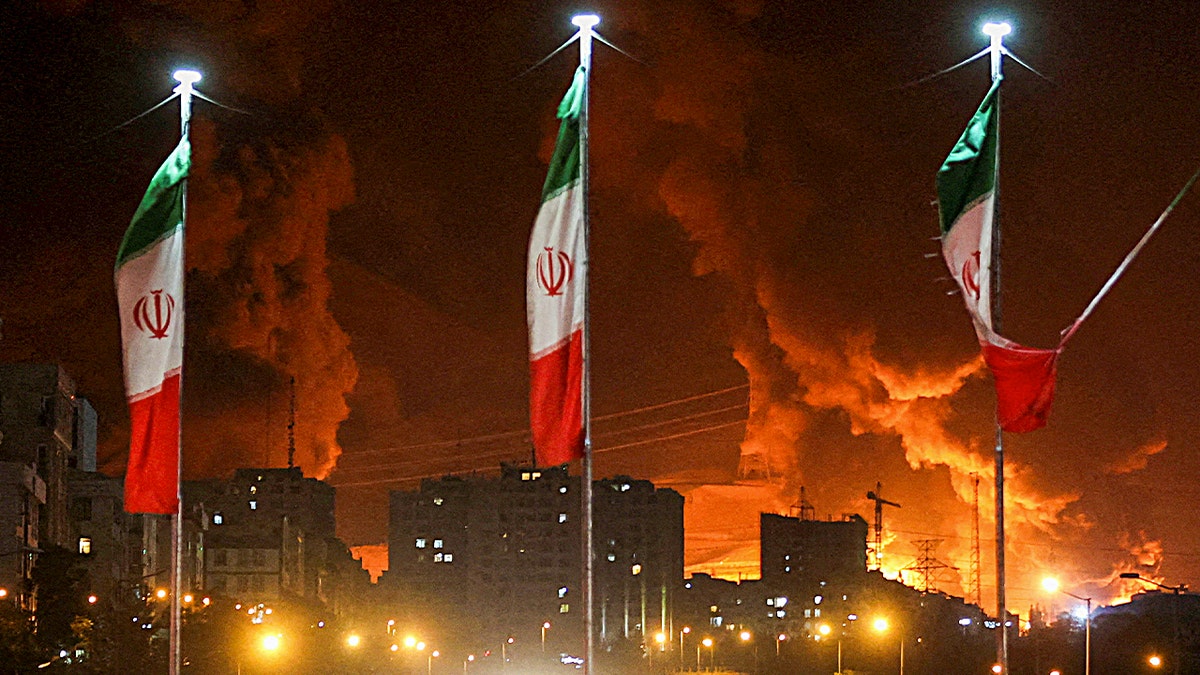
The ongoing war in Iran has ignited a fuel crisis across Africa, prompting governments to urgently seek solutions to mitigate the economic fallout and address the daily struggles faced by citizens. As the conflict disrupts oil supplies, many African nations are grappling with soaring fuel prices and dwindling availability, significantly impacting transportation, commerce, and household budgets.
The conflict in Iran, a major oil producer, has reverberated throughout global markets, leading to increased prices for crude oil and refined products. African nations, heavily reliant on imported fuel, are now facing a dual challenge: the rising costs of fuel imports and the logistical difficulties in securing consistent supplies. Countries such as Nigeria, South Africa, and Kenya have reported sharp increases in fuel prices, which have placed additional strain on already fragile economies. The situation has led to widespread protests in some regions, as citizens express their frustration over the rising cost of living and the perceived inability of governments to provide adequate relief.
In response to the crisis, several African governments are implementing measures to stabilize fuel prices and ensure supply continuity. Some nations are exploring alternative energy sources, while others are negotiating with oil-producing countries to secure more favorable terms. The urgency of the situation has also prompted discussions among regional leaders about enhancing cooperation in energy management and resource sharing to mitigate the impact of external shocks.
The significance of this crisis extends beyond immediate economic concerns. The fuel shortages are affecting various sectors, including transportation, agriculture, and manufacturing, which rely heavily on fuel for operations. As businesses struggle with increased operational costs, the potential for inflation rises, threatening to erode consumer purchasing power and exacerbate poverty levels across the continent. The ripple effects of the fuel crisis could hinder economic recovery efforts in many African nations, which are still grappling with the aftermath of the COVID-19 pandemic.
The situation is particularly dire for low-income households, who are disproportionately affected by rising fuel prices. Many families are forced to make difficult choices between essential needs such as food and transportation. The fuel crisis is not just an economic issue; it has social implications as well, as communities face increased hardship and instability. Governments are under pressure to act swiftly to alleviate the burden on their citizens while ensuring that essential services remain operational.
From a Gulf perspective, the crisis highlights the interconnectedness of global energy markets and the vulnerability of regions dependent on external oil supplies. As the situation in Iran continues to evolve, Gulf nations may find opportunities to strengthen their energy partnerships with African countries, potentially positioning themselves as key players in the region's energy landscape. The ongoing conflict serves as a reminder of the importance of energy security and the need for diversified energy strategies to withstand geopolitical disruptions.
As African nations navigate this challenging period, the focus will be on finding sustainable solutions that not only address the immediate fuel crisis but also lay the groundwork for long-term energy resilience. The unfolding situation in Iran will undoubtedly continue to shape the energy dynamics across the continent, making it imperative for governments to act decisively and collaboratively in the face of adversity.
النسخة العربية
حرب إيران تسبب أزمة وقود في أفريقيا والحكومات تتسابق للاستجابة
اندلاع النزاع في إيران أدى إلى أزمة وقود حادة في أفريقيا، حيث تسارع الحكومات في القارة لإيجاد حلول للتخفيف من تأثير هذه الأزمة على الاقتصاد والحياة اليومية للمواطنين.
تشكل إيران واحدة من أكبر الدول المنتجة للنفط في العالم، وأي اضطراب في إنتاجها يؤثر بشكل مباشر على الأسواق العالمية. مع تصاعد النزاع في إيران، شهدت أسواق النفط العالمية تقلبات حادة، مما أدى إلى ارتفاع أسعار الوقود في العديد من الدول الأفريقية. تعتمد العديد من الدول الأفريقية بشكل كبير على واردات النفط لتلبية احتياجاتها من الطاقة، وبالتالي فإن أي زيادة في الأسعار تؤثر بشكل كبير على اقتصاداتها.
في ظل هذه الأزمة، تواجه الحكومات الأفريقية تحديات كبيرة في تأمين إمدادات الوقود بأسعار معقولة. لجأت بعض الدول إلى استخدام احتياطياتها الاستراتيجية من النفط، بينما تسعى أخرى إلى إبرام اتفاقيات جديدة مع دول منتجة لتعويض النقص. ومع ذلك، فإن هذه الحلول قد لا تكون كافية لتخفيف الضغط على المدى القصير، مما يضع ضغوطاً إضافية على الميزانيات الوطنية ويؤدي إلى ارتفاع تكاليف المعيشة للمواطنين.
Source tweet
The ongoing war in Iran is causing a fuel crisis across Africa, prompting governments to scramble for solutions. The impact on economies and daily life is significant. Read more about the situation here.
More Stories
 Diplomacy
Trump Demands NATO Act on Hormuz as Iran Strait Crisis Deepens
 Analysis
Somalia Constitutional Crisis Deepens as Parliament and Presidency Near Expiry
 Africa
Horn of Africa Needs Peace
 BREAKING
Trump Describes Situation in South Africa as Genocide
 Economy