

Iran's VP: We won't attack neighboring countries if they don't cooperate with the US, yet will respond firmly to any

Iran's Vice President has stated that the country will not initiate attacks on neighboring nations as long as they refrain from cooperating with the United States, while emphasizing a strong response to any aggression from U.S. military bases in the region. This declaration comes amid heightened tensions in the Middle East, where Iran's relations with its neighbors and the U.S. have been fraught with conflict and suspicion.
The Vice President's remarks highlight Iran's strategic posture in the region, where it seeks to assert its influence while simultaneously warning against perceived threats from U.S. forces. The statement reflects a broader narrative within Iranian politics that positions the U.S. as a destabilizing force in the Middle East. By framing the potential for conflict in terms of U.S. aggression, Iran aims to garner support from regional allies and project an image of strength in the face of external pressures.
Iran's relationship with its neighbors has been complex, often marked by historical grievances and geopolitical rivalries. The country shares borders with several nations, including Iraq, Turkey, and Afghanistan, and has significant influence over various non-state actors in the region. The Vice President's assurance of non-aggression towards neighboring countries may be an attempt to alleviate fears of Iranian expansionism, particularly as regional powers navigate their own relationships with the U.S. and each other.
The significance of this statement lies in its potential impact on regional security dynamics. As the U.S. maintains a military presence in the Gulf, Iranian officials have frequently criticized this as a source of instability. The Vice President's warning of a firm response to U.S. bases indicates that Iran remains vigilant against what it perceives as encroachments on its sovereignty. This rhetoric may resonate with domestic audiences who view the U.S. as a historical adversary, while also serving as a cautionary message to neighboring countries about the implications of aligning too closely with American interests.
In the context of ongoing tensions, including disputes over nuclear capabilities and military engagements in Syria and Iraq, Iran's statements may also be interpreted as a strategic maneuver to deter potential military actions from the U.S. and its allies. The Iranian leadership appears to be navigating a delicate balance between projecting strength and avoiding outright conflict, which could have devastating consequences for the region.
From a Gulf perspective, the implications of Iran's stance are significant. Countries in the Gulf Cooperation Council (GCC) have historically been wary of Iran's ambitions and military capabilities. The assurance of non-aggression may provide temporary relief, but the underlying tensions remain unresolved. Gulf states are likely to continue monitoring Iran's actions closely, particularly in light of the complex interplay between U.S. foreign policy and regional security concerns.
As the situation evolves, the potential for miscalculations or misunderstandings remains a critical concern. The Gulf states may find themselves in a precarious position, balancing their own security needs with the realities of Iran's regional aspirations and the U.S. military presence. The Vice President's comments serve as a reminder of the intricate web of alliances and rivalries that define the Middle East, where the stakes are high and the path to stability remains uncertain.
النسخة العربية
نائب رئيس مكتب الرئيس الإيراني: لن نهاجم دول المنطقة ما دامت لا تتعاون مع الولايات المتحدة، وسنرد بحزم على أي عدوان من ا
في تصريح جديد يعكس موقف إيران من التوترات الإقليمية، أكد نائب رئيس مكتب الرئيس الإيراني أن إيران لن تقوم بمهاجمة دول المنطقة طالما أنها لا تتعاون مع الولايات المتحدة، مشددًا على أن بلاده سترد بحزم على أي عدوان ينطلق من القواعد الأمريكية في المنطقة.
يأتي هذا التصريح في سياق التوترات المتصاعدة بين إيران والولايات المتحدة، حيث تشهد المنطقة حالة من عدم الاستقرار نتيجة للسياسات الأمريكية في الشرق الأوسط. تعتبر هذه التصريحات بمثابة رسالة طمأنة لدول الجوار، بأن إيران لا تسعى للتصعيد العسكري ما لم تكن هناك استفزازات مباشرة من القواعد الأمريكية المنتشرة في المنطقة.
تعتبر القواعد الأمريكية في الشرق الأوسط من أبرز النقاط الحساسة في العلاقات الإيرانية الأمريكية، حيث تنظر إيران إلى هذه القواعد كتهديد مباشر لأمنها القومي. وقد شهدت السنوات الأخيرة تصاعدًا في التوترات بين البلدين، خاصة بعد انسحاب الولايات المتحدة من الاتفاق النووي الإيراني في عام 2018 وفرضها عقوبات اقتصادية صارمة على طهران.
Source tweet
Iran's VP: We won't attack neighboring countries if they don't cooperate with the US, yet will respond firmly to any aggression from US bases in the region.
More Stories
 Palestine
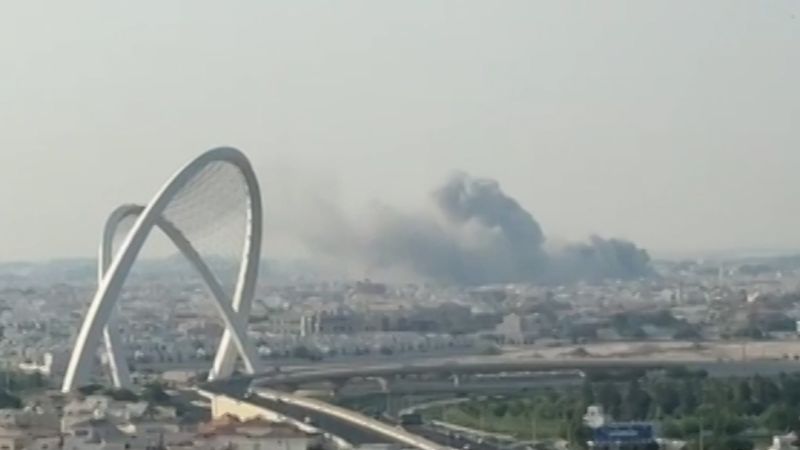
Israel Targets Hamas Officials in Doha: Qatar Condemns the Attack
 Palestine
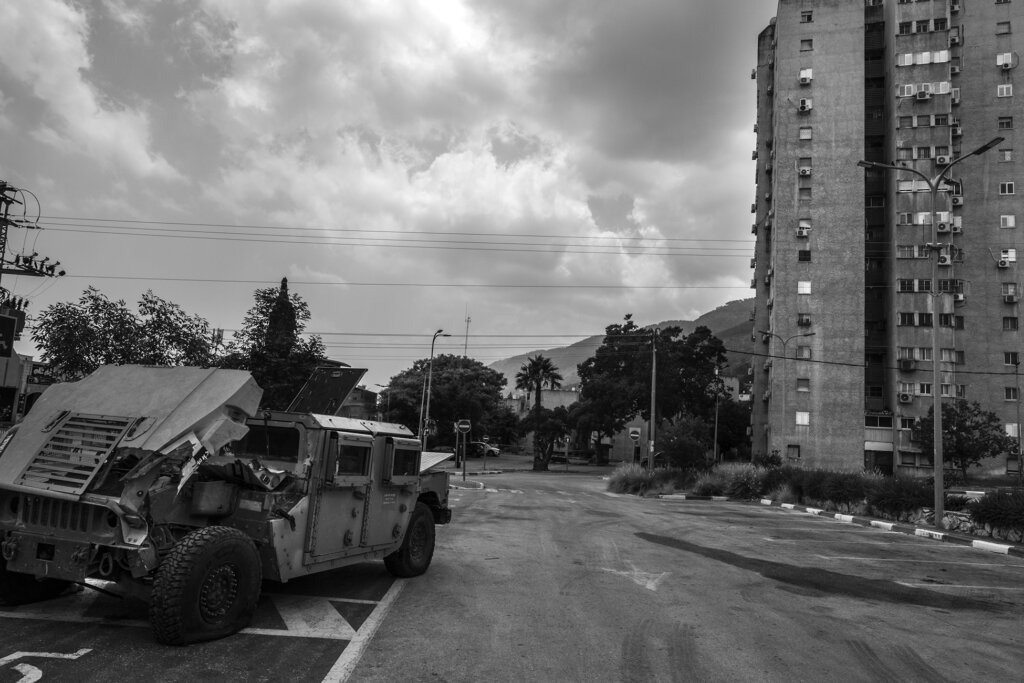
Hezbollah Claims Rocket Attacks on Israeli Settlements
 BREAKING
Canadian Foreign Minister Urges Israel to Cease Attacks After Citizen Killed in Lebanon
 Palestine
UN Experts Condemn Attacks on Gaza Shelters and West Bank Displacement
 BREAKING