

Iraqi Oil Tanker to India Denied Passage Through Strait of Hormuz

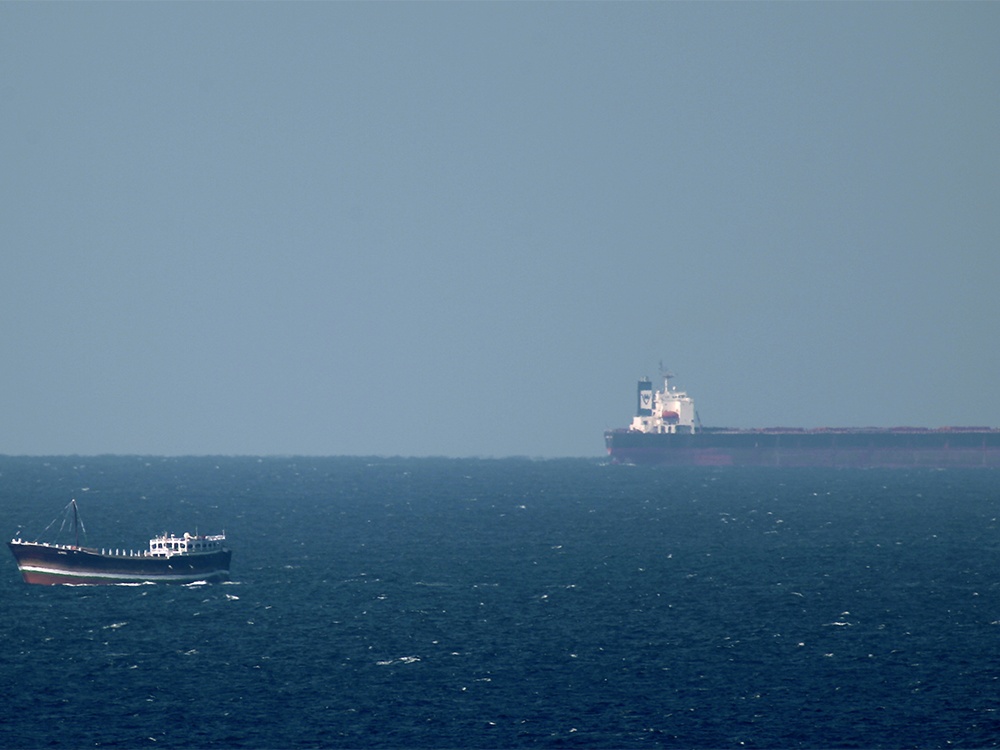
An Iraqi oil tanker en route to India has been denied passage through the strategically vital Strait of Hormuz, a critical chokepoint for global oil shipments. This incident underscores ongoing tensions in the region and raises concerns about the security of maritime routes essential for international trade.
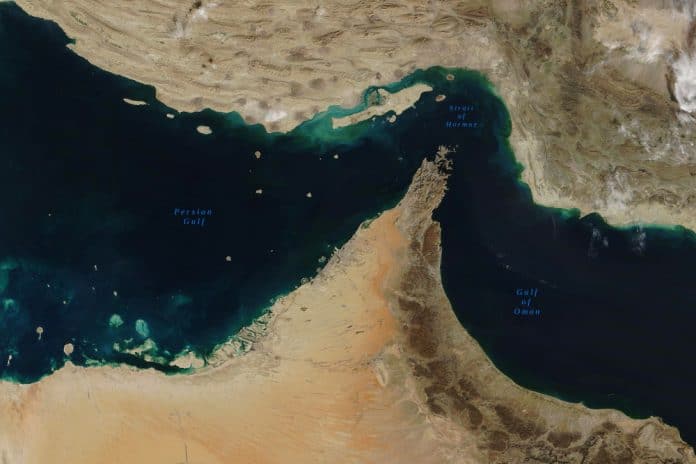
The Strait of Hormuz, which connects the Persian Gulf to the Gulf of Oman, is one of the world's busiest maritime corridors, with a significant percentage of the global oil supply passing through it. The denial of passage to the Iraqi tanker could have implications not only for Iraq's oil exports but also for global oil prices and supply chains. This situation is particularly significant given the ongoing geopolitical tensions in the Middle East, where various nations have historically vied for control and influence over this crucial waterway.
The blockage of the tanker comes amid heightened scrutiny of shipping routes in the region, especially following recent incidents involving military confrontations and threats to maritime security. The Strait has been a flashpoint for conflicts, with various nations asserting their naval presence to safeguard their interests. The denial of passage to the Iraqi vessel may reflect broader regional dynamics, including the influence of Iran, which has previously threatened to disrupt shipping in response to sanctions and perceived provocations.
As the global economy continues to recover from the impacts of the COVID-19 pandemic, the stability of oil supplies remains a priority for many countries, particularly those in the Gulf region. Qatar, as a significant player in the global energy market, is closely monitoring developments that could affect oil prices and supply stability. The Gulf Cooperation Council (GCC) nations, including Qatar, have a vested interest in maintaining secure and open maritime routes, as disruptions can lead to fluctuations in oil prices that impact their economies.
The situation surrounding the Iraqi tanker serves as a reminder of the fragility of maritime security in the region and the potential for further escalation. As nations navigate the complex geopolitical landscape of the Middle East, the implications of such incidents extend beyond immediate economic concerns, influencing diplomatic relations and regional stability. The Gulf states, including Qatar, are likely to continue advocating for peaceful resolutions to conflicts that threaten the security of vital shipping lanes.
النسخة العربية
مصدر في الموانئ العراقية: منع ناقلة تحمل نفطا عراقيا من عبور مضيق هرمز
في تطور جديد يعكس التوترات الجيوسياسية في منطقة الخليج، تم منع ناقلة نفط عراقية من عبور مضيق هرمز، وهو أحد أهم الممرات البحرية في العالم لنقل النفط. يأتي هذا القرار في وقت حساس بالنسبة للعراق، الذي يعتمد بشكل كبير على صادرات النفط لدعم اقتصاده.
يعتبر مضيق هرمز شرياناً حيوياً للتجارة العالمية، حيث يمر من خلاله حوالي 20% من النفط المتداول عالمياً. أي تعطيل في حركة الملاحة عبر هذا المضيق يمكن أن يؤثر بشكل كبير على أسعار النفط العالمية وعلى الاقتصادات المعتمدة على النفط. يعتمد العراق، كواحد من أكبر منتجي النفط في العالم، على تصدير النفط عبر هذا الممر للوصول إلى الأسواق الآسيوية والأوروبية. لذا، فإن منع الناقلة العراقية من العبور يمثل تحدياً كبيراً للقطاع النفطي العراقي.
لم يتم الكشف عن الأسباب المحددة وراء منع الناقلة العراقية من عبور المضيق، ولكن التوترات الإقليمية والسياسية في المنطقة قد تكون من العوامل المؤثرة. العلاقات بين الدول المطلة على الخليج تتسم بالتعقيد، وغالباً ما تتأثر بالسياسات الإقليمية والدولية. في مثل هذه الظروف، يمكن أن تؤدي أي خطوة تصعيدية إلى تأثيرات واسعة النطاق على التجارة والنقل البحري في المنطقة.
Source tweet
Iraqi oil tanker headed to India blocked from passing through Hormuz Strait
More Stories
 Iran
IranIranian Forces Divert Two Oil Tankers in Strait of Hormuz
 Diplomacy
UAE, Iran to Meet at BRICS India Amid Regional Tensions
 Iran
IranUS-Sanctioned Oil Tanker Passes Through Strait of Hormuz Despite Blockade
 BREAKING
Iran Restricts Strait of Hormuz Passage to Non-Enemy Vessels Complying with Regulations
 Iran
Iran