

Less Than 60 Percent of Missiles Intercepted in Past 12 Hours
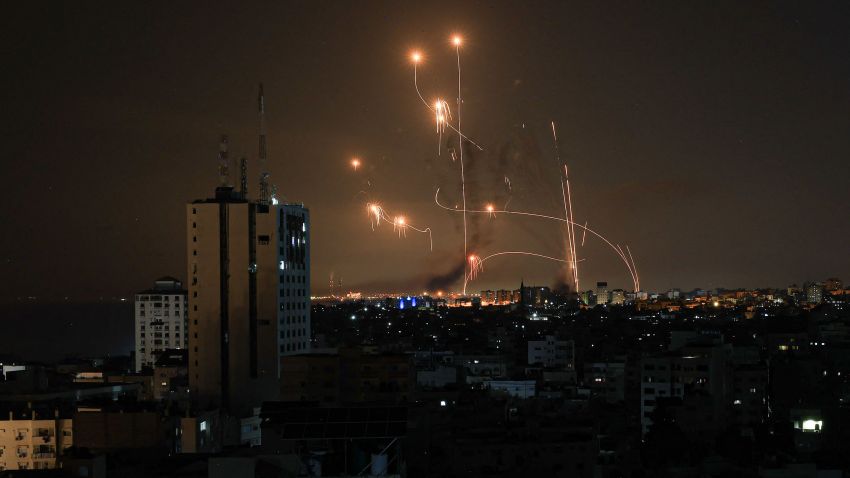
In a concerning development, reports indicate that less than 60 percent of missiles fired in the past 12 hours were successfully intercepted, raising alarms about the effectiveness of current defense systems. This statistic underscores potential vulnerabilities in missile defense capabilities amid ongoing regional tensions.
The interception rate is a critical metric for assessing the readiness and reliability of a nation's defense infrastructure, particularly in areas frequently targeted by missile attacks. A failure to intercept a significant portion of incoming threats can lead to devastating consequences, including loss of life and damage to critical infrastructure. The recent figures suggest that defense systems may be struggling to cope with the volume or sophistication of missile threats, prompting calls for a review of existing strategies and technologies.
The implications of this situation extend beyond immediate security concerns. A low interception rate can embolden adversaries and alter the balance of power in the region, potentially leading to escalated conflicts. Additionally, it raises questions about the allocation of resources toward defense spending and the effectiveness of military investments. As nations assess their defense capabilities, the ability to respond to missile threats will be a key factor in maintaining regional stability.
In the Gulf region, where geopolitical tensions are often high, the effectiveness of missile defense systems is of paramount importance. Countries are increasingly investing in advanced technologies to bolster their defense capabilities, recognizing that the threat landscape is evolving. The recent interception figures may prompt Gulf states to reevaluate their defense partnerships and consider new technologies or strategies to enhance their security posture.
As the situation develops, it will be crucial for defense analysts and policymakers to closely monitor interception rates and the effectiveness of missile defense systems. Protecting civilian populations and critical infrastructure from missile threats remains a top priority for governments in the region. The ongoing challenges in missile defense highlight the need for continued innovation and collaboration among Gulf states to ensure a robust defense against potential threats.
النسخة العربية
عاجل | تصدي صاروخي ناقص في مواجهات الأخيرة
في الساعات الاثنتي عشرة الماضية، شهدت المواجهات الأخيرة تصديًا صاروخيًا غير مكتمل، حيث لم يتمكن نظام الدفاع من اعتراض أكثر من 40% من الصواريخ الموجهة نحو الأهداف المدنية. هذا الوضع المقلق يثير تساؤلات حول فعالية الأنظمة الدفاعية المستخدمة في حماية المدنيين في مناطق النزاع.
تأتي هذه الأنباء في ظل تصاعد التوترات في المنطقة، حيث تتعرض غزة لهجمات صاروخية مكثفة. وقد أثارت هذه الهجمات مخاوف كبيرة بشأن سلامة السكان المدنيين والبنية التحتية الحيوية. تعتمد العديد من الدول على أنظمة الدفاع الصاروخي لحماية مواطنيها من التهديدات الجوية، ولكن هذه الأنباء تشير إلى أن هناك حاجة ملحة لتحسين هذه الأنظمة لزيادة فعاليتها.
تعتبر القدرة على اعتراض الصواريخ بدقة وفعالية أمرًا حيويًا لضمان سلامة المدنيين وتقليل الخسائر البشرية والمادية. ومع ذلك، فإن الفشل في اعتراض نسبة كبيرة من الصواريخ يسلط الضوء على التحديات التقنية واللوجستية التي تواجهها الأنظمة الدفاعية. قد يكون هناك عدة عوامل تساهم في هذا الفشل، بما في ذلك تطور تقنيات الصواريخ الهجومية وزيادة تعقيدها، مما يجعل من الصعب على الأنظمة الدفاعية الحالية التصدي لها بفعالية.
Source tweet
Less than 60% of missiles fired in the past 12 hours were intercepted, raising concerns over defense capabilities.
More Stories
 BREAKING
Hezbollah Reports 60 Operations Against Occupation Sites in 24 Hours
 Gulf
GulfBahrain Announces Interception of Hundreds of Missiles, Drones Since Start of Iranian Aggression
 Gulf
GulfBahrain Reports Interception of Hundreds of Missiles and Drones Amid Iranian Attacks
 Politics
Israeli Channel 12 Reports Drone Intercepted After Launch from Lebanon
 BREAKING