

Neoconservative Influence and Trump's Actions in Iran
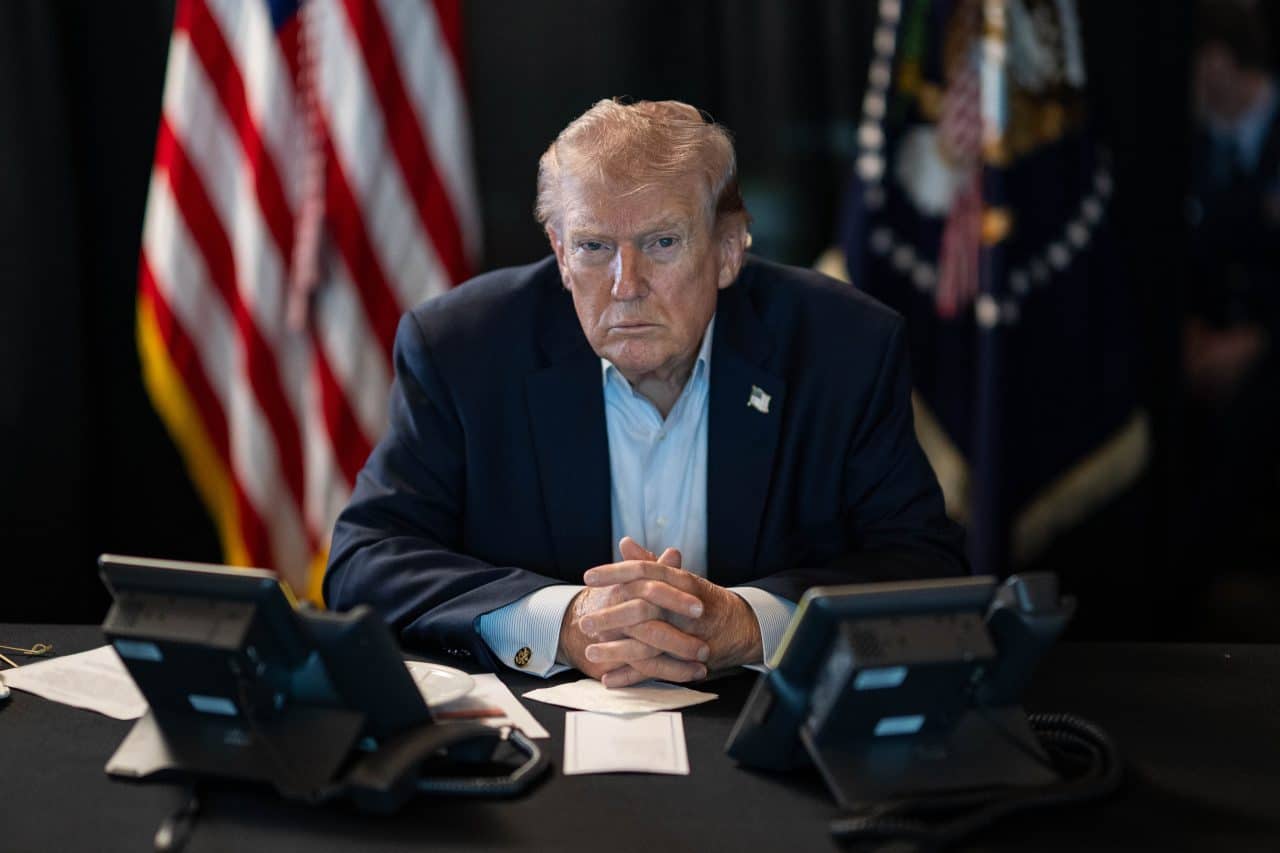
Donald Trump's recent threats against Iran, including a promise to target the country's civilian infrastructure, highlight the enduring influence of neoconservative ideology in U.S. foreign policy, raising significant concerns about potential war crimes and their global implications.
Trump's aggressive rhetoric can be traced back to a longstanding neoconservative approach that has shaped American military interventions over the past three decades. This perspective emphasizes the use of military force as a primary tool for achieving foreign policy objectives, often prioritizing aggressive posturing over diplomatic engagement. His threats, which include bombings aimed at power plants and bridges, echo a history of U.S. military actions that have frequently disregarded international law and humanitarian considerations. The recent ultimatum, delivered via social media, reflects a crude but calculated strategy designed to provoke a reaction, underscoring the potential for escalating conflict in a region already fraught with tension.
The implications of Trump's threats extend beyond Iran, as they resonate with a broader audience and could influence U.S. relations with other nations in the Gulf and beyond. With over a hundred international law experts warning that targeting civilian infrastructure constitutes a war crime under the Geneva Convention, the potential for international backlash grows. This situation is particularly significant for countries in the Gulf region, where stability is often precarious and the repercussions of U.S. military actions can have far-reaching effects. The rhetoric surrounding "Power Plant Day" and "Bridge Day" serves not only as a provocative statement but also as a reminder of the potential humanitarian crises that could arise from such military engagements.
The neoconservative influence on U.S. foreign policy has often been characterized by a willingness to overlook the consequences of military actions, focusing instead on immediate strategic gains. This approach has been evident in previous conflicts, such as the Iraq War and various military operations in the Middle East, where the long-term ramifications have frequently led to instability and suffering. Trump's recent comments may signal a return to this mindset, raising alarms among those who advocate for a more measured and diplomatic approach to international relations.
From a Gulf perspective, the situation is particularly concerning. Countries in the region, including Qatar, have historically sought to maintain a delicate balance in their foreign relations, often navigating the complexities of U.S. policy while striving to promote regional stability. The prospect of renewed military conflict involving Iran could disrupt this balance, leading to increased tensions and potential spillover effects that could impact neighboring states. As the Gulf states continue to engage in diplomatic efforts to foster peace and cooperation, the actions and rhetoric of the U.S. administration remain a critical factor in shaping the regional landscape.
Trump's threats against Iran not only reflect the neoconservative legacy in U.S. foreign policy but also pose significant risks for regional stability in the Gulf. As the situation develops, the potential for conflict underscores the need for careful diplomacy and a reconsideration of military strategies that prioritize humanitarian considerations and long-term peace over short-term gains. The Gulf states, including Qatar, will be closely monitoring these developments, as the implications of U.S. actions could reverberate throughout the region for years to come.
النسخة العربية
تأثير المحافظين الجدد وأفعال ترامب في إيران
تأثير المحافظين الجدد على السياسة الأمريكية بلغ ذروته مع تهديدات الرئيس الأمريكي السابق دونالد ترامب لإيران، حيث هدد بتدمير البنية التحتية المدنية في البلاد، مما أثار قلقاً واسعاً بشأن الاستقرار العالمي.
منذ عقود، لعب المحافظون الجدد دوراً محورياً في تشكيل السياسة الخارجية الأمريكية، خاصة فيما يتعلق بالحروب والتدخلات العسكرية. بدأت هذه التأثيرات تتجلى بوضوح منذ حرب العراق واستمرت خلال إدارة أوباما مع حملات الطائرات بدون طيار. ومع وصول ترامب إلى السلطة، اتخذت هذه السياسة منحى أكثر عدوانية، حيث لم يتردد في استخدام لغة تهديدية مباشرة ضد إيران، مهدداً بتدمير محطات الطاقة والجسور وحتى محطات تحلية المياه في حال عدم استجابة إيران لمطالبه.
في صباح يوم الأحد، بينما كان المسيحيون في إيران والعالم يحتفلون بعيد الفصح، نشر ترامب تهديداً صريحاً على منصة "تروث سوشيال"، مهدداً بتدمير البنية التحتية الإيرانية إذا لم تفتح إيران مضيق هرمز. هذا التهديد جاء ضمن سلسلة من التصريحات العدائية التي أطلقها ترامب خلال الأسبوع الماضي، والتي تضمنت تهديدات بإعادة إيران إلى "العصور الحجرية" إذا لم تمتثل لمطالبه بحلول الموعد النهائي المحدد.
Source tweet
🇶🇦 Neoconservative influence in U.S. policy peaked with Trump's threats to Iran. What are the global implications?
More Stories
 BREAKING
EU Foreign Policy Chief Warns Israeli Actions Threaten US-Iran Ceasefire Stability
 Iran
IranNetanyahu Supports Trump's Two-Week Suspension of Attacks on Iran, Excludes Lebanon
 BREAKING
Pope Leo Condemns Threats Against Iranian People Following Trump's Warning
 BREAKING
Protesters in Ouargla condemn Israeli actions against Al-Aqsa Mosque and Palestinians
 BREAKING