

Netanyahu Suggests Rerouting Pipelines to Mediterranean Amid Hormuz Crisis
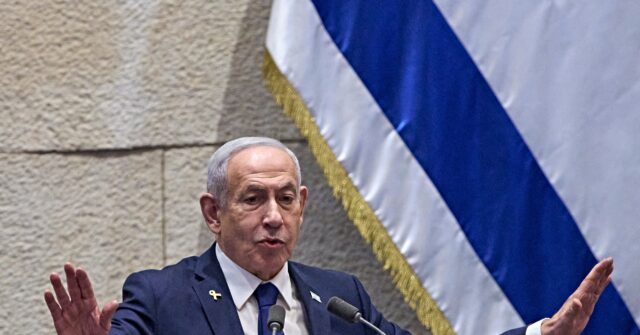
Israeli Prime Minister Benjamin Netanyahu has proposed rerouting oil and gas pipelines to the Mediterranean as a strategic response to the ongoing crisis in the Strait of Hormuz, where Iran has been imposing tolls and restricting maritime passage. In an interview with Newsmax, Netanyahu emphasized that this long-term solution is essential for ensuring the stability of global energy flows, which have been increasingly threatened by geopolitical tensions in the region.
The Strait of Hormuz is a critical maritime corridor through which approximately 20% of the world's oil passes, making it a focal point for international energy security. Iran's recent actions to impose tolls on vessels transiting this vital waterway have raised alarms among global leaders and energy markets. Netanyahu's proposal aims to address these vulnerabilities by establishing alternative routes that would bypass Iran's control over the strait, thereby reducing the risk of disruptions in energy supplies.
In outlining his vision, Netanyahu suggested a dual-track approach. He called for immediate U.S.-led efforts to reopen the Strait of Hormuz while simultaneously planning for longer-term solutions that would eliminate reliance on narrow maritime chokepoints. This strategy reflects a growing recognition among policymakers that geographic vulnerabilities can be as significant as military threats in the context of global energy security. By rerouting pipelines across Saudi Arabia to the Red Sea and then to the Mediterranean, Netanyahu believes that nations can safeguard their energy interests against potential Iranian interference.
The significance of this proposal extends beyond Israel and Iran, as it touches on the broader dynamics of energy politics in the Middle East. The region has long been characterized by its strategic importance in global energy markets, and any disruption in supply can have far-reaching implications for economies worldwide. By advocating for alternative energy routes, Netanyahu is positioning Israel as a proactive player in the quest for energy security, potentially fostering closer ties with neighboring countries that share similar concerns about Iranian influence.
From a Gulf perspective, Netanyahu's proposal could resonate with nations that are also seeking to mitigate the risks associated with the Strait of Hormuz. Countries such as Saudi Arabia and the United Arab Emirates have vested interests in ensuring the uninterrupted flow of oil, and they may view Israel's initiative as an opportunity for collaboration on energy infrastructure projects. The potential for joint ventures in pipeline construction could pave the way for enhanced economic cooperation in the region, further solidifying alliances against common threats.
As the situation in the Strait of Hormuz continues to evolve, Netanyahu's call for rerouting pipelines highlights the urgent need for innovative solutions to address the challenges posed by geopolitical tensions. The proposal not only aims to secure energy supplies but also reflects a broader strategy to reshape the energy landscape in the Middle East, with implications that could extend well beyond the immediate crisis.
النسخة العربية
نتنياهو يقترح تحويل خطوط الأنابيب إلى البحر المتوسط وسط أزمة هرمز
اقترح رئيس الوزراء الإسرائيلي بنيامين نتنياهو تحويل مسار خطوط الأنابيب النفطية والغازية نحو البحر الأحمر والبحر المتوسط كحل طويل الأمد لأزمة مضيق هرمز المتصاعدة، حيث تسعى إيران لفرض رسوم على السفن العابرة وتقييد المرور عبر هذا الممر الحيوي.
تأتي تصريحات نتنياهو في ظل تصاعد التوترات في مضيق هرمز، الذي يُعد أحد أهم الممرات البحرية لنقل النفط في العالم. ويشكل المضيق نقطة اختناق جغرافية حيوية، حيث تمر من خلاله نسبة كبيرة من صادرات النفط العالمية. وقد أثارت التحركات الإيرانية الأخيرة لفرض رسوم على السفن العابرة قلقاً دولياً بشأن استقرار إمدادات الطاقة العالمية.
في مقابلة مع قناة نيوزماكس، أوضح نتنياهو أن الحلول طويلة الأمد تتطلب تحويل مسار خطوط الأنابيب عبر السعودية وصولاً إلى البحر الأحمر والبحر المتوسط، لتجنب الاعتماد على الممرات البحرية الضيقة التي تسمح لإيران بتعطيل تدفقات الطاقة العالمية. وأكد على أهمية الجهود الفورية بقيادة الولايات المتحدة لإعادة فتح المضيق، مشيراً إلى أن الحلول الجغرافية قد تكون أكثر فعالية من الحلول العسكرية وحدها.
Source tweet
🇮🇱 Israeli PM Netanyahu suggests rerouting pipelines to the Mediterranean as a solution to the Hormuz crisis. #Energy #MiddleEast
More Stories
 BREAKING
Spanish Ministers Respond to Netanyahu's Threats Following Military Coordination Withdrawal
 BREAKING
Satellite Imagery Suggests Ethiopian Base Supports Sudan's UAE-Backed Rapid Support Forces
 BREAKING
Netanyahu Directs Officials to Initiate Direct Talks with Lebanon Promptly
 BREAKING
Netanyahu States Ceasefire Excludes Hezbollah, Claims Hardest Strike Since Operation Beeper
 BREAKING