

Oil Prices Surge Amidst Iran Crisis and Regional Tensions
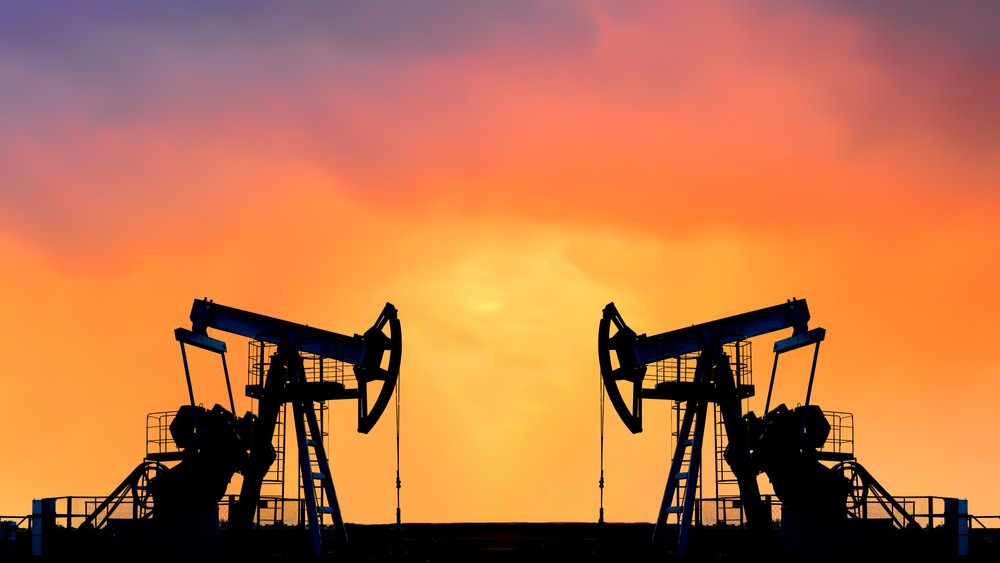
Oil prices have surged to record highs as the ongoing crisis in Iran and escalating regional tensions impact global markets. Brent crude oil reached $113.30 per barrel, while West Texas Intermediate (WTI) crude traded at $102.90, marking significant increases that reflect the growing instability in one of the world's key oil-producing regions.
The rise in oil prices is largely attributed to geopolitical tensions surrounding Iran, a major player in the global oil market. Concerns over potential disruptions to oil supply have been exacerbated by Western nations imposing sanctions and taking a firmer stance against Iranian activities. This uncertainty has led to increased speculation among traders, driving prices higher as they anticipate possible supply shortages.
The significance of these price increases extends beyond immediate market reactions. Higher oil prices can lead to increased costs for consumers and businesses, potentially fueling inflationary pressures in economies worldwide. Countries heavily reliant on oil imports may struggle to manage their energy costs, which could impact economic growth. Conversely, oil-exporting nations may benefit from increased revenues, further complicating the global economic landscape.
In the Gulf region, the surge in oil prices is particularly noteworthy. Gulf Cooperation Council (GCC) countries, including Qatar, have historically benefited from elevated oil prices, as they contribute significantly to national revenues. As oil prices rise, these nations may experience an improved economic outlook, allowing for increased public spending and investment in infrastructure projects. However, the volatility associated with geopolitical tensions also poses risks, as sudden shifts in oil prices can create uncertainty for long-term planning and investment strategies.
As the situation in Iran continues to unfold, market participants will closely monitor developments that could impact oil supply and prices. The potential for further sanctions or military action could exacerbate the current volatility, leading to even higher prices. For Gulf nations, the current environment presents both opportunities and challenges as they navigate the complexities of a rapidly changing global energy landscape.
النسخة العربية
ارتفاع أسعار النفط وسط أزمة إيران والتوترات الإقليمية
تشهد أسعار النفط ارتفاعاً قياسياً في ظل الأزمة الإيرانية والتوترات الإقليمية المتزايدة، مما يثير تساؤلات حول تأثير ذلك على الاقتصاد العالمي.
تأتي هذه الزيادة في أسعار النفط في وقت يشهد فيه العالم توترات جيوسياسية متصاعدة، خاصة في منطقة الشرق الأوسط حيث تلعب إيران دوراً محورياً في الأحداث. ارتفعت أسعار خام برنت إلى 113.3 دولار للبرميل بزيادة قدرها 0.48%، بينما بلغ سعر خام غرب تكساس الوسيط 102.9 دولار للبرميل بزيادة طفيفة نسبتها 0.06%. هذه الزيادات تأتي في سياق أزمة متفاقمة في إيران، حيث تتزايد المخاوف من تأثيرها على الإمدادات النفطية العالمية.
التوترات في المنطقة ليست جديدة، ولكنها تتصاعد في ظل العقوبات الاقتصادية المفروضة على إيران والتي تؤثر بشكل مباشر على صادراتها النفطية. هذه العقوبات تسببت في تقليص الإنتاج الإيراني، مما أدى إلى تقلبات في السوق وزيادة في الأسعار نتيجة للقلق من نقص الإمدادات. كما أن الأوضاع السياسية في المنطقة، بما في ذلك النزاعات المسلحة والاضطرابات السياسية، تزيد من حالة عدم اليقين في الأسواق العالمية.
Source tweet
📈 Oil prices hit record highs amid Iran crisis and regional tensions. What does this mean for the global economy? #OilPrices #Iran
More Stories
 housing
Qatar Rent Prices 2026: Which Areas Are Rising Fastest and Tenant Rights
 Iran
IranNetherlands Joins Hormuz Freedom of Navigation Mission After Iran Crisis
 Diplomacy
Trump Demands NATO Act on Hormuz as Iran Strait Crisis Deepens
 Analysis
Somalia Constitutional Crisis Deepens as Parliament and Presidency Near Expiry
 Economy