

Pakistan's Surprising Role: Mediator in the Iran-US Conflict

As the Iran war entered its second month, an unexpected country emerged at the centre of the most coordinated diplomatic effort yet to end the conflict: Pakistan. Islamabad — a city more commonly associated in Western discourse with counterterrorism cooperation or nuclear proliferation concerns — has, in late March 2026, become the focal point of a multilateral peace push that few analysts predicted and fewer strategists had prepared for.
The emergence of Pakistan as a mediator reflects a specific geopolitical gap. The countries that traditionally facilitate U.S.-Iran contacts — Oman, which brokered multiple rounds of nuclear diplomacy, and Qatar, which has hosted intermediary communications for years — are now either directly affected by Iranian military action or under diplomatic pressure that constrains their freedom of manoeuvre. With the traditional channels compromised, Pakistan stepped into the space.
The Anatomy of a Surprising Opening
Pakistan Prime Minister Shehbaz Sharif held a 90-minute telephone conversation with Iranian President Masoud Pezeshkian on 28 March — his second such call in five days. The following day, Pakistani Deputy Prime Minister and Foreign Minister Ishaq Dar confirmed that both Washington and Tehran had expressed confidence in Pakistan's ability to facilitate direct talks, and that Islamabad was ready to host them "in the coming days, for a comprehensive and lasting settlement of the ongoing conflict."
Dar's statement was accompanied by a diplomatic gathering of unusual weight. The foreign ministers of Saudi Arabia, Turkey, and Egypt travelled to Islamabad on 29 March for a two-day consultative summit — described by Pakistani officials as the most coordinated regional diplomatic initiative since the conflict began. The four countries' joint communiqué called for an immediate ceasefire, the lifting of the Strait of Hormuz blockade, and direct negotiations between the United States and Iran under international auspices.
Why Pakistan?
Several factors explain Pakistan's emergence in this role. First, geography: Pakistan shares a long and historically complex border with Iran, and the two countries have maintained official diplomatic relations throughout periods when Tehran's relations with much of the Arab world and the West were severely strained. Pakistan is not a party to the conflict, has no military assets in the theatre, and has consistently called for dialogue since the first strikes in February.
Second, balance: Pakistan has historically maintained relationships with both Washington and Tehran, even when those relationships were in tension. It has hosted U.S. military logistics and intelligence cooperation for decades, while simultaneously refusing to join any formal coalition against Iran. That equidistance — frustrating to both sides at various points — becomes an asset in mediation, where the perceived neutrality of the facilitator is as important as the substance of any proposal.
Third, the shifting regional calculus: Saudi Arabia's participation in the Islamabad summit signalled a significant development. Riyadh has its own complex history with Tehran, including the 2019 Aramco drone strikes attributed to Iranian-backed forces, but has more recently pursued a China-brokered normalisation of relations. Saudi Arabia's engagement in a Pakistan-led peace push suggests Riyadh believes the current conflict has escalated beyond a level manageable to its long-term interests.
The U.S. Position
President Donald Trump's public posture toward the Pakistan-led initiative has been cautiously positive. At a White House press event on 29 March, Trump said he was "pretty sure" a deal with Iran was possible, citing progress in back-channel communications without specifying the precise channel. The statement was notable: Trump had threatened large-scale attacks on Iranian energy infrastructure in earlier weeks, a threat he has since delayed, which analysts interpreted as a signal that the diplomatic track had created enough space to pause the military escalation cycle.
The Biden-era nuclear negotiations collapsed in 2022, and the Trump administration entered office in January 2025 with a posture of maximum pressure toward Iran. Whether Trump views the Pakistan-led process as a genuine off-ramp or a temporary tactical pause — while military options remain on the table — is a question that analysts in Washington and Islamabad are actively debating.
Tehran's Calculus
Iran's engagement with the Pakistan-led process has been measured but real. Foreign Minister Abbas Araghchi has participated in separate consultations with Pakistani officials, and Iranian state media has reported the Islamabad process in neutral rather than dismissive terms — a contrast with Tehran's public rejection of earlier Western-led mediation proposals.
Iran faces its own pressures. The military campaign has inflicted significant damage on its nuclear and missile infrastructure. The economy, already under severe sanctions, is facing additional strain from the disruption of energy export routes through the Strait of Hormuz — a disruption that affects Iran's own limited remaining oil exports as much as it affects its adversaries. The willingness to engage with Pakistan-led diplomacy may reflect a calculation that the current trajectory is unsustainable.
The Road Ahead
Whether the Islamabad process produces a durable agreement or another collapse in negotiations remains deeply uncertain. The core issues — Iran's nuclear programme, its regional proxy networks, the Strait of Hormuz blockade, and the status of U.S. and Israeli military operations — are not amenable to quick resolution. But the fact that a diplomatic framework is operating at all, with the support of four regional powers and tacit engagement from both principal parties, represents a meaningful development in a conflict that has moved faster and further than almost all predictions suggested it would.
For Pakistan, success in this role would represent a significant reputational and strategic achievement — positioning Islamabad as an indispensable diplomatic actor in the Middle East at a moment when traditional power brokers have been sidelined. The stakes, for Pakistan and for the region, are considerable.
النسخة العربية
الدور المفاجئ لباكستان: وسيطاً في النزاع الإيراني الأمريكي
<p>مع دخول حرب إيران شهرها الثاني، برز بلد غير متوقع في قلب أكثر المساعي الدبلوماسية تنسيقاً حتى الآن لوضع حد للنزاع: باكستان. إسلام آباد — المدينة التي اقترنت في الخطاب الغربي في الغالب بالتعاون في مكافحة الإرهاب أو مخاوف الانتشار النووي — باتت في أواخر مارس 2026 البؤرة المركزية لمبادرة سلام متعددة الأطراف لم يتنبّأ بها كثيرون.</p><p>يعكس بروز باكستان في دور الوساطة فراغاً جيوسياسياً محدداً. فالدول التي تضطلع تقليدياً بتيسير الاتصالات الأمريكية الإيرانية — كعُمان التي ترعّت جولات متعددة من الدبلوماسية النووية، وقطر التي استضافت قنوات وساطة لسنوات — باتت إما متضررة مباشرة من العمليات العسكرية الإيرانية وإما تحت ضغوط دبلوماسية تُقيّد هامش مناورتها. مع تعطّل القنوات التقليدية، ملأت باكستان الفراغ.</p><h2>تشريح انفتاح مفاجئ</h2><p>أجرى رئيس الوزراء الباكستاني شهباز شريف محادثة هاتفية مدتها 90 دقيقة مع الرئيس الإيراني مسعود بزشكيان في 28 مارس — وكانت ثاني اتصال من هذا النوع خلال خمسة أيام. وفي اليوم التالي، أكد نائب رئيس الوزراء ووزير الخارجية الباكستاني إسحق دار أن واشنطن وطهران أبديتا ثقتهما بقدرة إسلام آباد على تيسير محادثات مباشرة، وأن إسلام آباد مستعدة لاستضافتها.</p><p>جاء تصريح دار مصحوباً بتجمع دبلوماسي استثنائي، إذ توجّه وزراء خارجية السعودية وتركيا ومصر إلى إسلام آباد في 29 مارس لقمة تشاورية امتدت يومين. وطالب البيان المشترك الصادر عن الدول الأربع بوقف فوري لإطلاق النار، ورفع الحصار عن مضيق هرمز، وإجراء مفاوضات مباشرة بين الولايات المتحدة وإيران.</p><h2>لماذا باكستان؟</h2><p>ثمة عوامل عدة تفسّر بروز باكستان في هذا الدور. أولها الجغرافيا: تتشارك باكستان مع إيران حدوداً طويلة ذات تاريخ معقد، وحافظت الدولتان على علاقات دبلوماسية رسمية في ظروف شهدت فيها علاقات طهران مع كثير من الدول العربية والغرب توترات حادة. وباكستان ليست طرفاً في النزاع ولا تملك أصولاً عسكرية في ميدانه.</p><p>ثانيها التوازن: حافظت باكستان تاريخياً على علاقات مع واشنطن وطهران في آن واحد، حتى حين كانت هذه العلاقات في حالة توتر. وهذا التوازن — المُحبِط للطرفين في مراحل مختلفة — يغدو ميزة في الوساطة، حيث تُعدّ الحيادية المُدرَكة للوسيط من متطلبات النجاح.</p><p>ثالثها الحسابات الإقليمية المتحوّلة: شاركت المملكة العربية السعودية في قمة إسلام آباد، مما يشير إلى أن الرياض تعتقد أن النزاع تصاعد إلى مستويات تتجاوز ما يمكن إدارته في ضوء مصالحها بعيدة المدى.</p><h2>الموقف الأمريكي</h2><p>جاء موقف الرئيس دونالد ترامب من المبادرة الباكستانية إيجابياً بحذر. ففي مؤتمر صحفي في 29 مارس، قال ترامب إنه «متأكد تقريباً» من إمكانية التوصل إلى اتفاق مع إيران، مستنداً إلى تقدم في قنوات الاتصال غير الرسمية. وكان ترامب قد هدّد في وقت سابق بضربات واسعة النطاق على البنية التحتية لطاقة إيران، وهو ما أرجأه منذ ذلك الحين — وهو ما فسّره المحللون بوصفه إشارة إلى أن المسار الدبلوماسي أوجد مساحة كافية لوقف دوامة التصعيد العسكري.</p><h2>حسابات طهران</h2><p>اتسم انخراط إيران في المسار الباكستاني بالتحفّظ، لكنه كان حقيقياً. وتشير الوقائع إلى أن طهران، التي يعاني اقتصادها أصلاً من وطأة العقوبات، تواجه ضغوطاً إضافية من اضطراب مسارات تصدير الطاقة، مما يجعل استمرار المواجهة على المسار الراهن غير مستدام. وقد يعكس الانخراط مع الوساطة الباكستانية قراءة باكستانية بأن منفذاً دبلوماسياً قابلاً للتحقق أفضل من التصعيد المفتوح.</p><h2>الطريق أمام إسلام آباد</h2><p>يبقى مصير المسار الإسلامي الدبلوماسي رهيناً بعوامل تتجاوز حدود الإرادة. القضايا الجوهرية — البرنامج النووي الإيراني وشبكاته الإقليمية وحصار مضيق هرمز وطبيعة العمليات العسكرية الأمريكية الإسرائيلية — ليست مرشّحة لحل سريع. لكن مجرد وجود إطار دبلوماسي يعمل بدعم أربع قوى إقليمية وانخراط ضمني من الطرفين الرئيسيين يُمثّل تطوراً بالغ الأهمية في نزاع تجاوز في سرعته وعمقه كل التقديرات. ولباكستان على المحك الكثير — بقدر ما للمنطقة برمّتها.</p>
Source tweet
Pakistan has emerged as the unexpected mediator between the US and Iran. Islamabad hosted foreign ministers from Saudi Arabia, Turkey, and Egypt. Trump says he's 'pretty sure' of a deal.
More Stories
 BREAKING
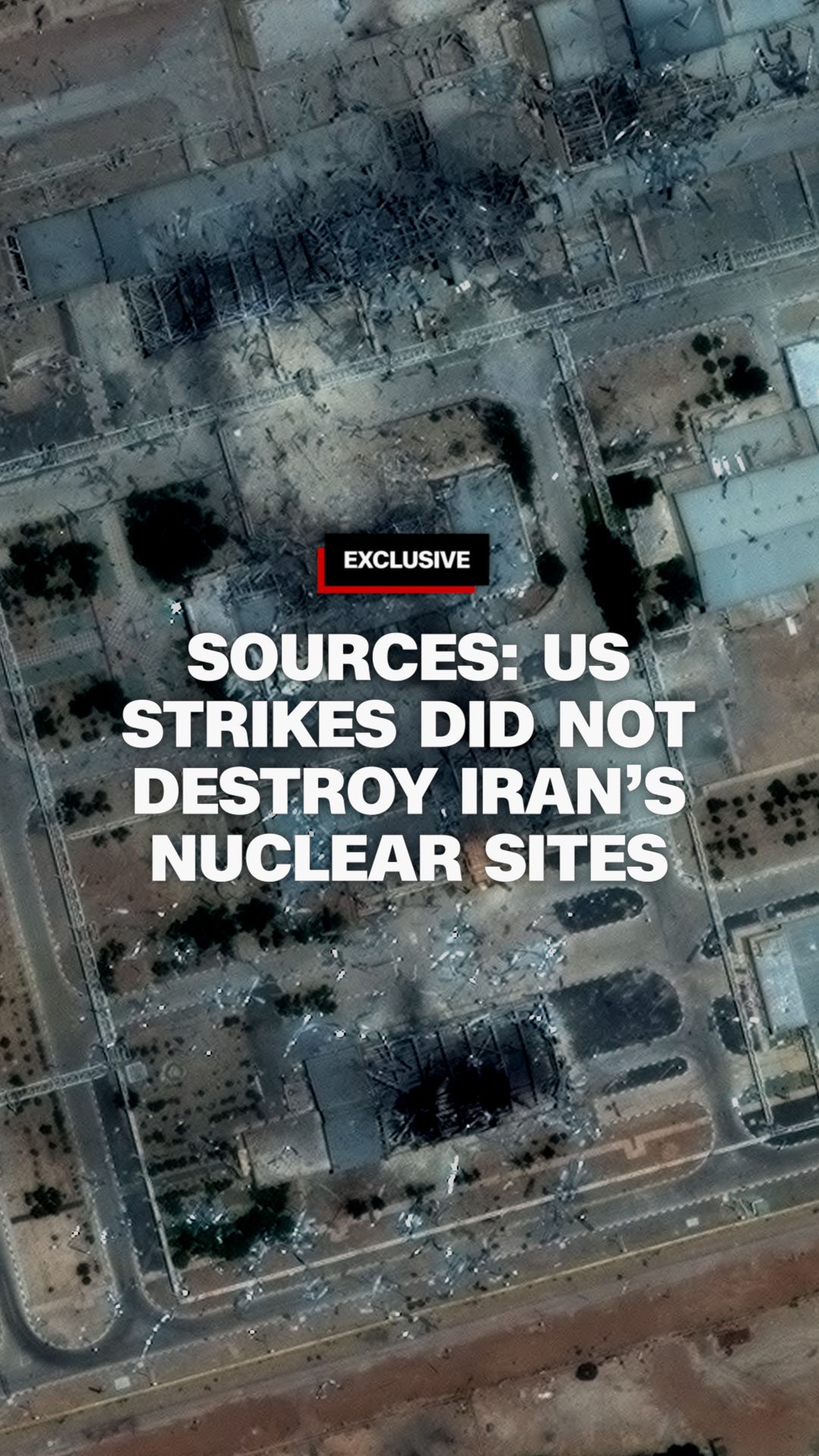
JD Vance in Islamabad: Pakistan's Role in Middle East Crisis Talks
 Diplomacy
India Expands Energy Outreach in Gulf Amid Iran-US Ceasefire
 Iran
IranQatar's Emir Discusses Regional Developments with Pakistan's Prime Minister in Phone Call
 BREAKING
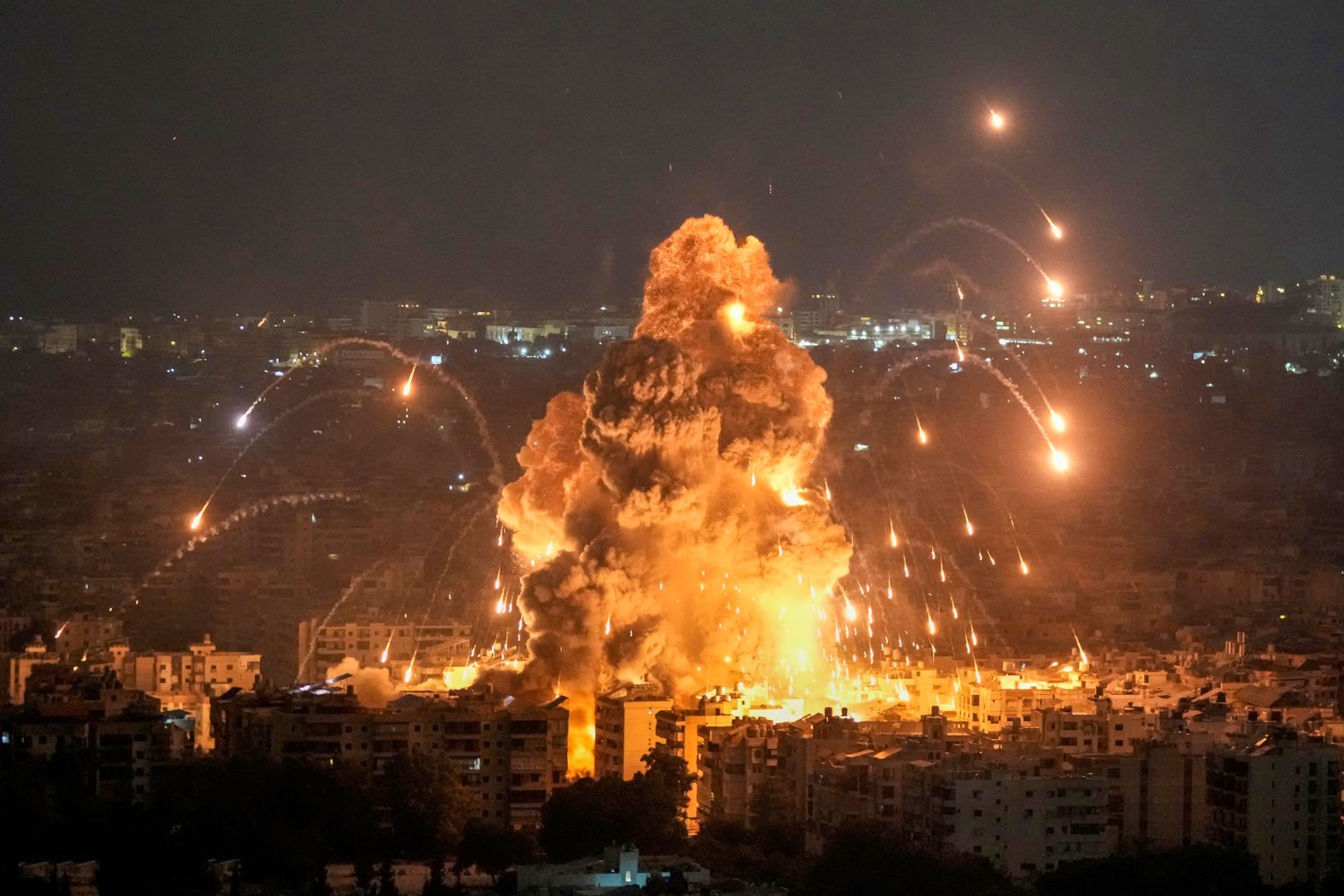
Pakistan's Prime Minister Urges Respect for Ceasefire After Israeli Strikes in Lebanon
 Gulf
Gulf