

Strait of Hormuz: The Hidden Impact on Global Humanitarian Aid

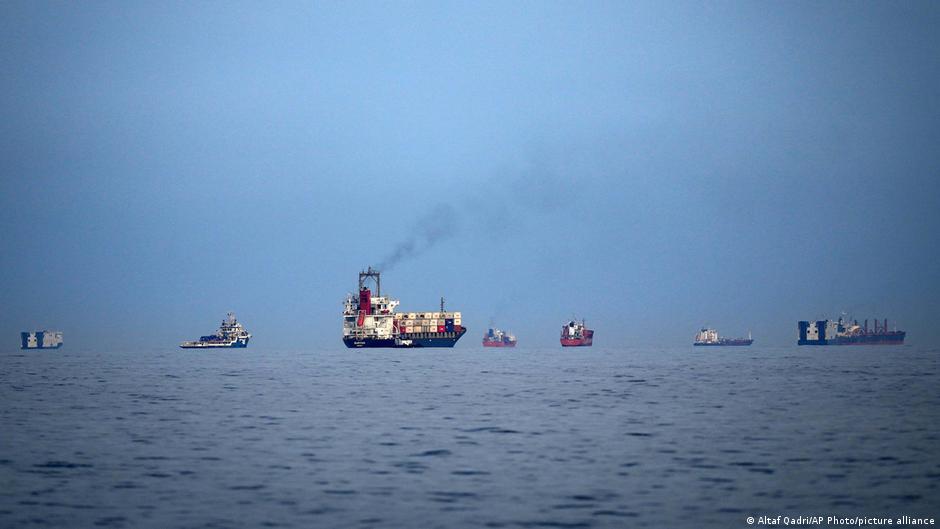
The ongoing tensions in the Strait of Hormuz are affecting global oil supplies and significantly impacting humanitarian aid efforts worldwide. This strategic waterway, through which approximately 20% of the world's oil passes, has become a focal point of geopolitical strife, raising concerns about the implications for humanitarian operations that rely on maritime transport.
The Strait of Hormuz connects the Persian Gulf to the Gulf of Oman and the Arabian Sea, making it a vital corridor for international shipping. In recent months, increased military presence and confrontations in the region have heightened fears of disruptions that could extend beyond energy markets. Humanitarian organizations, which often depend on shipping routes for the delivery of essential supplies, are now facing challenges in logistics and safety. The potential for conflict in this critical area poses risks not only to commercial shipping but also to vessels carrying food, medicine, and other vital resources to regions in need.
This crisis is particularly significant as many countries in the Middle East and beyond rely on aid delivered through these maritime routes. Yemen, which has been embroiled in a devastating conflict for several years, is heavily dependent on imports for food and medical supplies. Any disruption in shipping through the Strait of Hormuz could exacerbate an already dire humanitarian situation, leading to increased suffering for millions facing famine and disease. Similarly, other nations in the region, such as Syria and Iraq, also depend on humanitarian aid transported via the sea, making the stability of this waterway crucial for their recovery efforts.
International organizations, including the United Nations, have expressed concern over the potential fallout from the ongoing tensions. They warn that if the situation escalates, it could lead to a significant increase in humanitarian crises, as aid agencies may struggle to reach those in need. The risk of maritime incidents could deter shipping companies from operating in the region, further complicating the logistics of delivering aid. This situation underscores the interconnectedness of global trade and humanitarian efforts, emphasizing that geopolitical conflicts can have far-reaching consequences beyond their immediate geographic boundaries.
From Qatar's perspective, the implications of the Strait of Hormuz crisis are particularly relevant. As a key player in the Gulf Cooperation Council and a significant exporter of liquefied natural gas, Qatar has a vested interest in maintaining stability in the region. The country has been actively involved in various humanitarian initiatives, particularly in areas affected by conflict. Any disruption in maritime routes could hinder these efforts, affecting not only the delivery of aid but also Qatar's broader diplomatic and humanitarian goals.
As tensions continue in the Strait of Hormuz, the international community must recognize the multifaceted nature of this crisis. It is not solely an energy issue; it is a humanitarian one that threatens to deepen existing crises and create new ones. The need for dialogue and de-escalation is more pressing than ever, as the world grapples with the dual challenges of maintaining energy security and ensuring that humanitarian aid reaches those who need it most. In this context, Qatar and other Gulf nations have a crucial role to play in promoting stability and supporting humanitarian efforts in the region.
النسخة العربية
أزمة مضيق هرمز تهدد تدفق المساعدات الإنسانية وأسواق الطاقة العالمية
تُعد أزمة مضيق هرمز أكثر من مجرد قضية طاقة، فهي تمثل تحدياً إنسانياً عالمياً يؤثر على تدفق المساعدات الإنسانية إلى المناطق المحتاجة. يُعتبر مضيق هرمز أحد أهم الممرات المائية في العالم، حيث يمر عبره نحو 20% من إمدادات النفط العالمية، مما يجعله نقطة حيوية للتجارة الدولية. ولكن التوترات الجيوسياسية المتزايدة في المنطقة تهدد ليس فقط استقرار أسواق الطاقة، بل أيضاً قدرة المنظمات الإنسانية على تقديم المساعدات الضرورية.
تاريخياً، كان مضيق هرمز مسرحاً للتوترات بين القوى الإقليمية والدولية، مما أدى إلى اضطرابات في حركة النقل البحري. هذه الاضطرابات تؤثر بشكل مباشر على نقل المساعدات الإنسانية، حيث تعتمد العديد من الدول والمنظمات على هذا الممر لنقل الإمدادات الأساسية مثل الغذاء والدواء إلى المناطق التي تعاني من الأزمات. ومع تصاعد التوترات، تزداد المخاوف من أن تتعرض هذه الإمدادات للتأخير أو حتى التوقف، مما قد يؤدي إلى تفاقم الأوضاع الإنسانية في المناطق المتضررة.
أي تصعيد في التوترات قد يؤدي إلى زيادة تكاليف الشحن والتأمين على السفن، مما يضع عبئاً إضافياً على المنظمات الإنسانية التي تعمل بميزانيات محدودة. في ظل هذه الظروف، قد تجد هذه المنظمات نفسها مضطرة إلى تقليص حجم المساعدات أو إعادة توجيهها إلى مناطق أقل خطورة، مما يترك العديد من المجتمعات في حالة من العوز والاحتياج.
More Stories
 Iran
IranIranian Forces Divert Two Oil Tankers in Strait of Hormuz
 Diplomacy
Trump Demands NATO Act on Hormuz as Iran Strait Crisis Deepens
 Gulf
GulfGCC Council Welcomes Condemnation of Iranian Mine Threats in Hormuz Strait
 Iran
IranIRGC Navy Vows Retaliation Against US Forces in Strait of Hormuz
 Economy