
UK Aid Cuts: A Looming Crisis for Vulnerable Lives in Africa
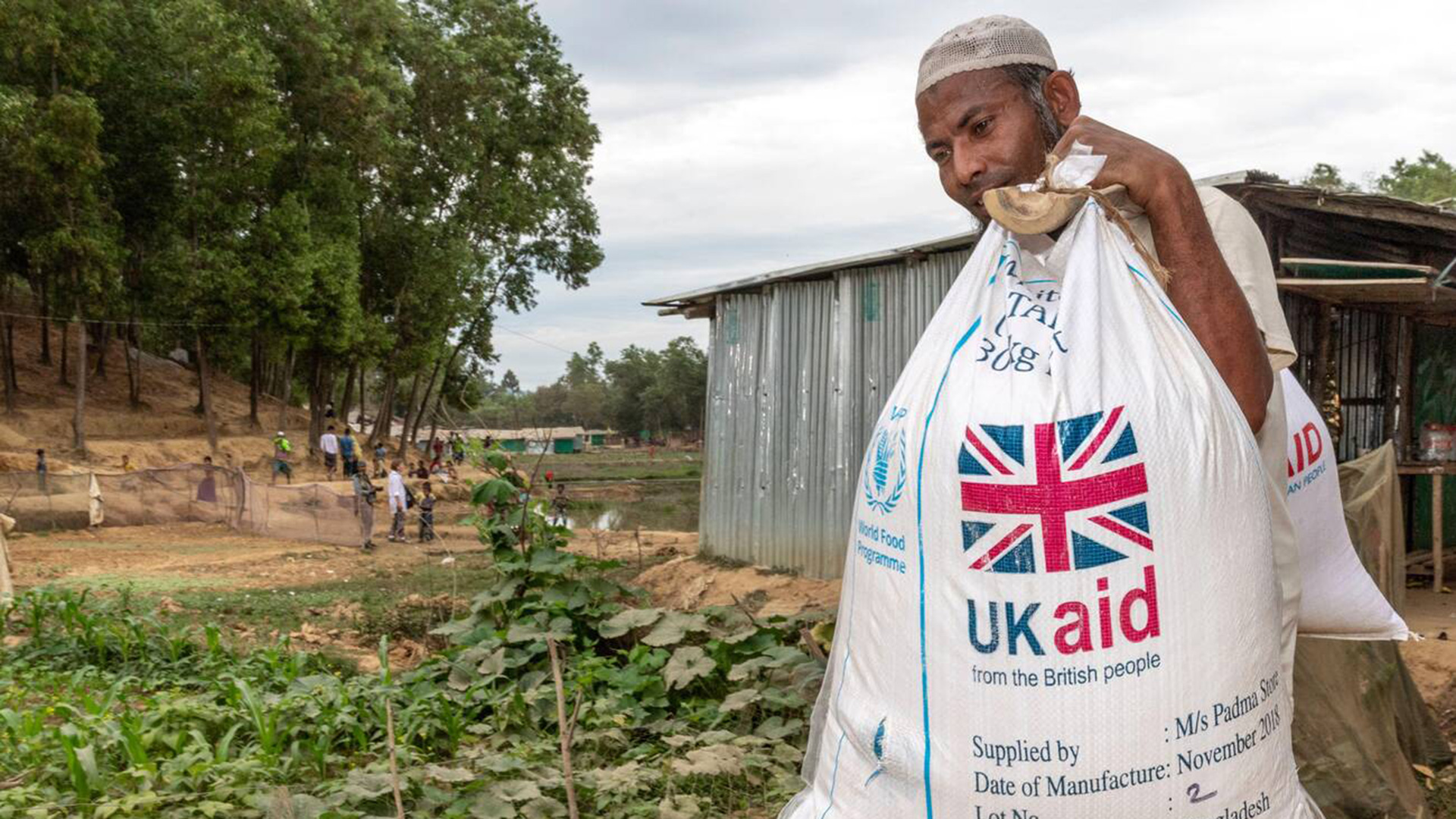
The recent cuts to UK foreign aid are poised to have severe effects on vulnerable communities across Africa, risking lives and exacerbating existing challenges in the region. The UK government’s decision to reduce its aid budget has raised alarms among humanitarian organizations and experts who warn that the repercussions could be dire. With these cuts, essential services such as healthcare, education, and food security are at risk, leaving millions vulnerable to poverty, disease, and malnutrition. This reduction comes at a time when many African nations are already grappling with the impacts of climate change, conflict, and economic instability, making the need for international support more critical than ever.
The significance of UK aid in Africa cannot be overstated. For many countries, UK funding has been a lifeline, supporting initiatives that address urgent needs and foster long-term development. The cuts threaten to dismantle years of progress made in areas such as maternal health, child nutrition, and education for girls. Organizations that rely on UK funding are now facing tough decisions about which programs to scale back or eliminate entirely, potentially leaving millions without the support they desperately need.
Experts are particularly concerned about the implications for health services, especially in the wake of the COVID-19 pandemic, which has already strained healthcare systems across the continent. The loss of funding could hinder vaccination efforts, treatment for diseases like malaria and HIV/AIDS, and maternal and child health programs. In regions where healthcare access is already limited, these cuts could lead to increased mortality rates and a resurgence of preventable diseases.
In addition to health, the cuts are expected to have a profound impact on education. Many children in Africa rely on UK-funded programs for access to schooling, particularly in conflict-affected areas where education systems have been disrupted. The loss of support could result in increased dropout rates and a generation of children missing out on educational opportunities, further entrenching cycles of poverty.
The humanitarian community is calling for a reassessment of these cuts, emphasizing the moral and ethical responsibility of wealthier nations to support the most vulnerable. The UK’s historical role as a leader in international development has been called into question, with critics arguing that the cuts undermine the country’s commitment to global solidarity and cooperation.
From a Gulf perspective, the situation in Africa is of growing concern. As countries in the region seek to expand their influence and investment in Africa, the UK’s withdrawal of support could create a vacuum that other nations may seek to fill. Gulf states have been increasingly active in providing aid and investment in Africa, and the current crisis may present both challenges and opportunities for collaboration.
The implications of the UK aid cuts extend beyond immediate humanitarian needs; they threaten to reverse progress made in development and stability across the continent. As the situation unfolds, the international community must remain vigilant and responsive to the needs of vulnerable populations in Africa, ensuring that support continues in the face of these significant challenges.
النسخة العربية
قطع المساعدات البريطانية: أزمة وشيكة للحياة الضعيفة في إفريقيا
قررت الحكومة البريطانية تقليص حجم المساعدات الخارجية، مما يهدد بتفاقم الأوضاع الإنسانية في العديد من الدول الإفريقية التي تعتمد على هذه المساعدات لتحسين ظروفها المعيشية. يأتي هذا القرار في وقت حرج حيث تعاني القارة من أزمات متعددة تشمل الفقر المدقع، نقص الغذاء، وتفشي الأمراض.
تاريخياً، كانت المملكة المتحدة من أكبر المانحين للمساعدات الإنسانية في العالم، حيث ساهمت بمبالغ كبيرة لدعم التنمية المستدامة في الدول النامية. إلا أن القرار الأخير بتقليص هذه المساعدات يأتي في إطار جهود الحكومة البريطانية لإعادة توجيه الموارد المالية نحو الأولويات الداخلية، مما يثير القلق بشأن التأثيرات السلبية على المجتمعات الأكثر ضعفاً في إفريقيا.
كانت المساعدات البريطانية تلعب دوراً حيوياً في تمويل برامج الصحة والتعليم والبنية التحتية في العديد من الدول الإفريقية. على سبيل المثال، كانت هذه المساعدات تدعم حملات التطعيم ضد الأمراض المعدية وتساهم في تحسين جودة التعليم وتوفير المياه النظيفة. ومع تقليص المساعدات، هناك مخاوف من أن تتراجع هذه الإنجازات، مما سيؤدي إلى تدهور الأوضاع الصحية والتعليمية وزيادة معدلات الفقر.
Source tweet
The recent UK aid cuts could have devastating effects on vulnerable communities in Africa, risking lives and exacerbating existing challenges. It's crucial to understand the implications of these decisions.
More Stories
 Diplomacy
Trump Demands NATO Act on Hormuz as Iran Strait Crisis Deepens
 Analysis
Somalia Constitutional Crisis Deepens as Parliament and Presidency Near Expiry
 Economy
IMF Cuts 2026 Global Growth Forecast Over Iran War and Hormuz Crisis
 Gulf
GulfQatar FM Calls for Free Navigation in Strait of Hormuz Amid Iran Crisis
 Gulf
Gulf