

Gulf Nations Divided
As the US-Israel conflict with Iran escalates, Gulf nations are grappling with divergent responses, highlighting a significant rift among them, particularly affecting the UAE, Saudi Arabia, Oman, and Qatar.
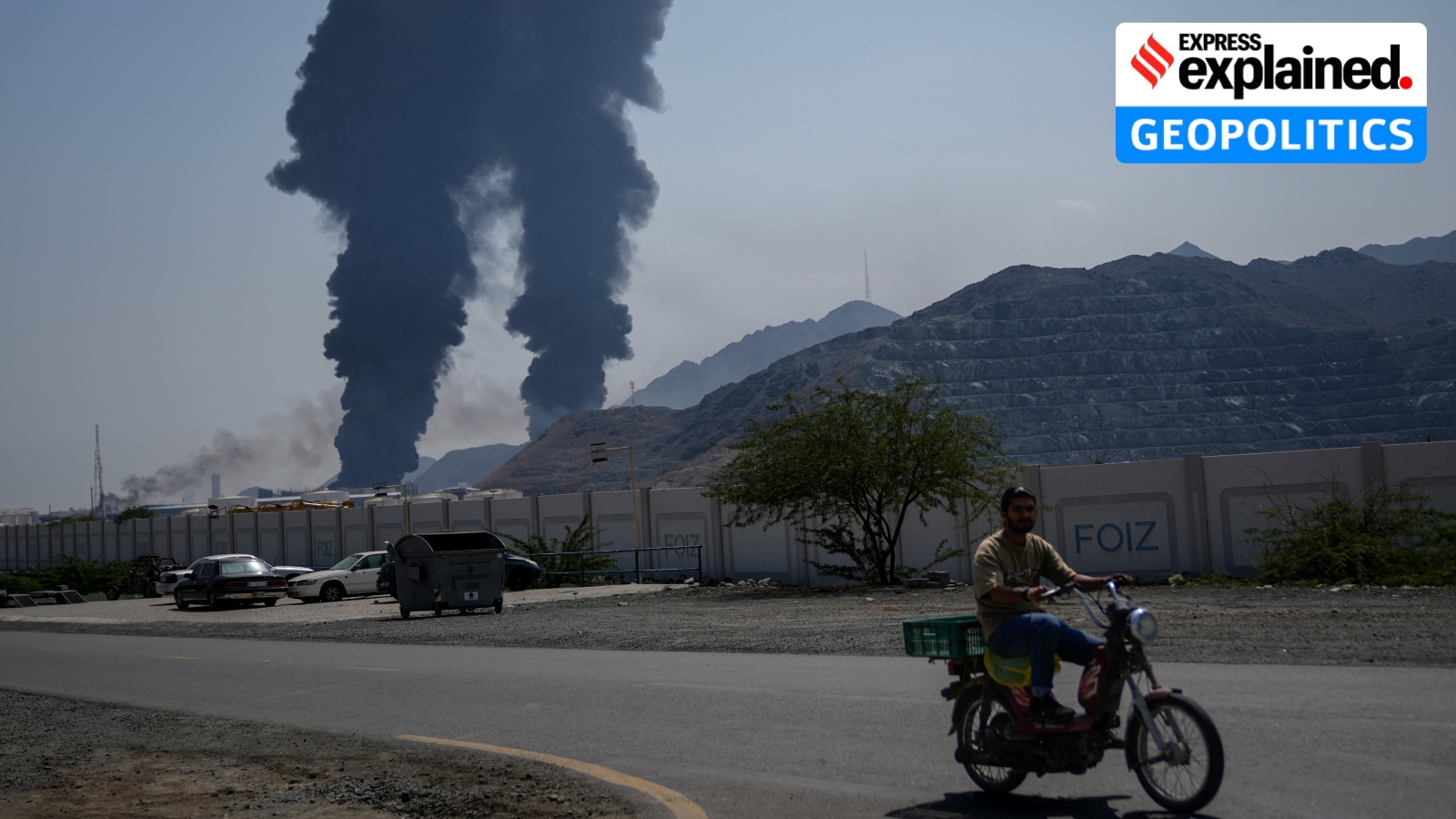
The ongoing conflict has seen Iran retaliating against US military installations in the Gulf, with its strikes now extending to energy facilities, desalination plants, and even population centers. This escalation has raised alarms across the region, as the potential for collateral damage grows. The involvement of multinational corporations, including major tech firms like Google, Apple, and Microsoft, adds another layer of complexity, as their operations in the Gulf could also become targets. The situation is particularly precarious for the UAE, which has already experienced direct threats to its infrastructure, including a recent attack on an oil facility in Fujairah.
Each Gulf nation is responding to the crisis based on its unique geopolitical interests and historical relationships with Iran and the West. Saudi Arabia, with its significant military capabilities and longstanding rivalry with Iran, is likely to take a more aggressive stance, advocating for a united front among Gulf states against Iranian threats. In contrast, Oman has historically maintained a neutral position, often acting as a mediator in regional conflicts, and may continue to pursue diplomatic avenues to de-escalate tensions. Qatar, while also affected by the conflict, has sought a peaceful resolution, emphasizing dialogue and cooperation over confrontation.
The division among Gulf nations is significant not only for their internal politics but also for broader regional stability. The differing approaches could hinder collective security efforts and complicate diplomatic relations with external powers involved in the conflict. As the situation evolves, the potential for a unified Gulf response appears increasingly unlikely, raising concerns about the long-term implications for regional security and economic stability.
From Qatar's perspective, the emphasis on dialogue and peaceful resolution reflects its broader foreign policy strategy, which prioritizes diplomacy over military engagement. This approach may resonate with other nations seeking to avoid further escalation and the potential for widespread conflict. As tensions continue to rise, the need for a cohesive strategy among Gulf nations becomes more pressing, as the consequences of division could reverberate throughout the region and beyond.
النسخة العربية
أزمة الخليج: انقسام في وجهات النظر
في ظل تصاعد التوترات في منطقة الخليج نتيجة للصراع الأمريكي-الإسرائيلي مع إيران، تجد دول الخليج نفسها في موقف معقد ومثير للانقسام حول كيفية التعامل مع هذه الأزمة. تتبنى قطر نهجًا يسعى إلى إيجاد حل سلمي، بينما تتباين مواقف الدول الأخرى مثل الإمارات والسعودية وعمان.
تعتبر الأزمة الحالية واحدة من أكثر الأزمات تعقيدًا في المنطقة، حيث قامت إيران بتوسيع نطاق استهدافها ليشمل قواعد عسكرية أمريكية ومنشآت حيوية في دول الخليج، بما في ذلك منشآت الطاقة ومحطات تحلية المياه. أدى هذا التصعيد إلى زيادة المخاطر على البنية التحتية الحيوية، مما يضع تحديات كبيرة أمام الحكومات الخليجية في كيفية حماية مصالحها الوطنية واستقرارها الداخلي.
تتباين ردود فعل دول الخليج تجاه هذه الأزمة. بينما تسعى قطر إلى تعزيز الجهود الدبلوماسية والبحث عن حلول سلمية، تتخذ دول أخرى مثل الإمارات والسعودية مواقف أكثر حذرًا، حيث تركز على تعزيز قدراتها الدفاعية وتنسيق الجهود مع الحلفاء الدوليين لضمان أمنها القومي. شهدت الأسابيع الأخيرة استهداف منشآت حيوية في الإمارات، مما يزيد من الضغوط على هذه الدول لاتخاذ خطوات حاسمة لحماية مصالحها.
Source tweet
Gulf crisis: Qatar seeks peaceful resolution 🇶🇦
More Stories
 BREAKING
France Leads Talks with 35 Nations for Defensive Mission in Strait of Hormuz
 BREAKING
Trump Criticizes NATO and Allied Nations for Lack of Assistance
 Economy
India Joins UK-Led Hormuz Talks with 40 Nations to Enhance Maritime Security
 BREAKING
Nations Implement Diverse Strategies to Address Global Energy Crisis Amid Middle East Conflict
 Africa