

Iran and Hezbollah Launch Coordinated Attacks Towards Occupied Palestine, Reports Tasnim Agency
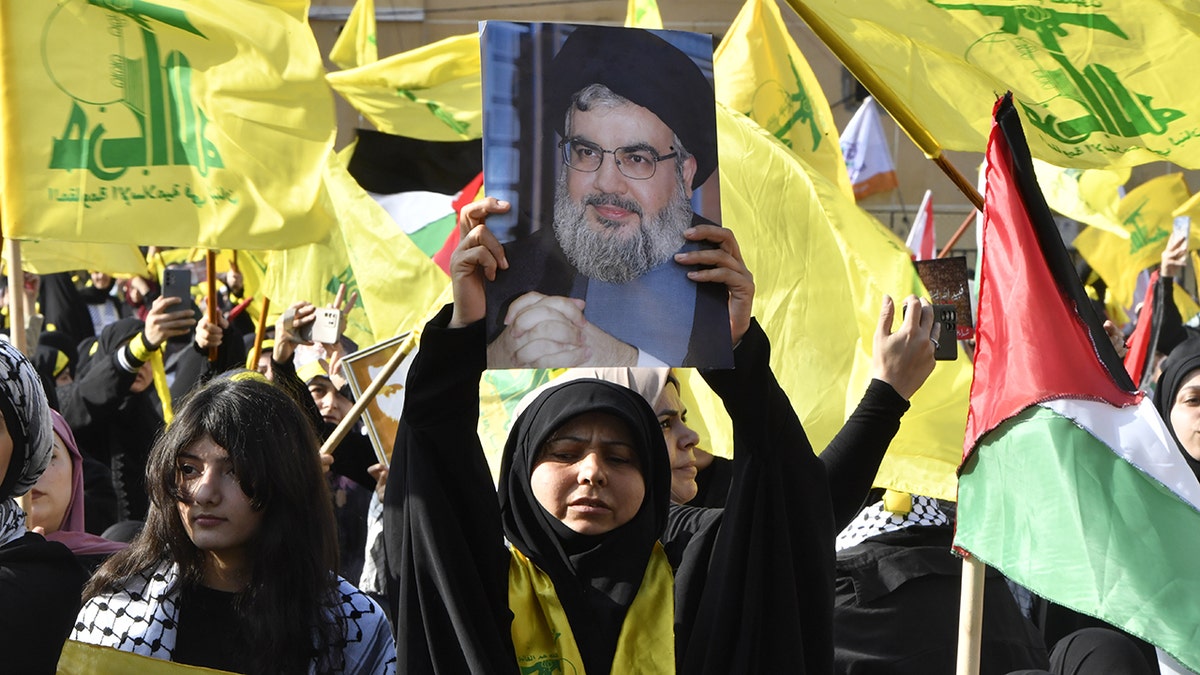
Iran and Hezbollah have reportedly initiated coordinated attacks targeting occupied Palestine, marking a significant escalation in regional tensions, according to the Tasnim News Agency. The attacks, described as simultaneous, reflect the growing complexities of the geopolitical landscape in the Middle East and the ongoing hostilities surrounding the Israeli-Palestinian conflict.
This development is significant due to the long-standing animosities between Iran, its allied militant group Hezbollah, and Israel. Iran has consistently supported Palestinian factions and has positioned itself as a key player in opposing Israeli actions in the region. Hezbollah, based in Lebanon, has historically engaged in military confrontations with Israel and has been involved in various conflicts aimed at resisting Israeli influence. This latest escalation could further destabilize an already volatile situation, with potential repercussions for neighboring countries and the broader Middle Eastern geopolitical dynamics.
The coordinated nature of the attacks suggests a strategic alignment between Iran and Hezbollah, indicating a unified front against Israel. Such actions may be seen as a response to perceived provocations or military actions by Israel in the region. The timing of these attacks may also be influenced by recent developments in the Israeli-Palestinian conflict, which has seen a resurgence of violence and heightened tensions in recent months. As both sides prepare for possible retaliation, the risk of an expanded conflict looms large.
From a Gulf perspective, this escalation raises concerns about regional stability. The Gulf Cooperation Council (GCC) countries have historically sought to mediate tensions and promote dialogue among conflicting parties in the region. However, the involvement of Iran and Hezbollah complicates the situation, as these entities are often viewed with suspicion by Gulf states, particularly Saudi Arabia and the United Arab Emirates. The potential for increased hostilities could lead to broader implications for security and economic stability in the Gulf region.
As the situation develops, the international community will be closely monitoring the actions of Iran and Hezbollah, as well as Israel's response. Diplomatic efforts may be necessary to prevent further escalation and to address the underlying issues that continue to fuel the conflict. The Gulf states, with their strategic interests in maintaining stability, may play a crucial role in facilitating dialogue and promoting peace in the region.
النسخة العربية
عاجل | وكالة تسنيم الإيرانية: هجمات متزامنة من إيران وحزب الله باتجاه فلسطين المحتلة
أفادت وكالة تسنيم الإيرانية بأن إيران وحزب الله نفذا هجمات متزامنة باتجاه الأراضي الفلسطينية المحتلة، مما يثير تساؤلات حول تصاعد التوترات في المنطقة واحتمالات التصعيد العسكري بين الأطراف المعنية.
تأتي هذه الهجمات في سياق توتر إقليمي مستمر، حيث تعتبر إيران وحزب الله من أبرز القوى المعارضة لإسرائيل. إيران، التي تدعم حزب الله بشكل علني، تسعى لتعزيز نفوذها في الشرق الأوسط، بينما يواصل حزب الله نشاطاته العسكرية والسياسية في لبنان وسوريا، مما يجعله لاعباً أساسياً في معادلة الصراع الإقليمي.
تشير الهجمات المتزامنة إلى تنسيق عالٍ بين إيران وحزب الله، وهو ما قد يعكس استعداداً لمواجهة أوسع مع إسرائيل. تأتي هذه التطورات في وقت تتزايد فيه الضغوط الدولية على إيران بسبب برنامجها النووي ونفوذها الإقليمي، مما قد يدفعها لاتخاذ خطوات تصعيدية كوسيلة للضغط أو الرد على التهديدات الخارجية.
Source tweet
Iran and Hezbollah are reportedly launching simultaneous attacks towards occupied Palestine. This escalation highlights the ongoing tensions in the region.
More Stories
 Politics
Hezbollah Fires Around 40 Rockets Towards Northern Towns
 Palestine
Hezbollah Claims Rocket Attacks on Israeli Settlements
 Politics
Israeli Envoy to Confirm Push for Hezbollah Disarmament in Talks Today
 BREAKING
Canadian Foreign Minister Urges Israel to Cease Attacks After Citizen Killed in Lebanon
 Palestine