
Is Qatar's LNG Industry the Key to Global Energy Stability Amid Iran War?

When Iranian missiles struck the Ras Laffan Industrial City in northern Qatar in early March 2026, they did more than damage a single facility. They sent shockwaves through global energy markets, exposed the fragility of the world's most critical LNG supply chain, and thrust Qatar — simultaneously victim and key to the solution — into an impossible position.
The scale of the damage was significant. Two of Qatar's 14 LNG trains and one of its gas-to-liquids facilities were rendered inoperable, eliminating approximately 12.8 million tonnes of annual LNG production for what QatarEnergy CEO Saad al-Kaabi estimated could be three to five years. That represents roughly 17 percent of Qatar's total LNG export capacity — a staggering loss for a country that supplies roughly a fifth of the world's liquefied natural gas.
The Energy Market Response
Markets responded immediately and severely. Benchmark Dutch TTF gas prices surged by nearly 50 percent in the days following the strike, while Asian LNG spot prices jumped close to 39 percent. European gas storage, already depleted to an estimated 30 percent capacity following one of the harshest winters in recent memory, offered little buffer against the supply shock.
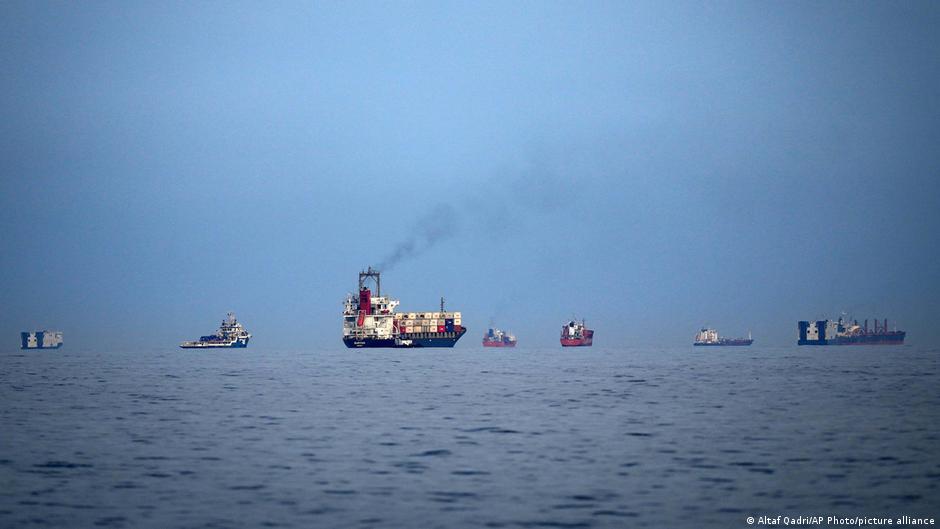
The International Energy Agency's executive director described the resulting situation as the "greatest global energy security challenge in history" — a characterisation that, while striking, reflected the arithmetic of global energy dependency. The Persian Gulf supplies roughly 20 percent of the world's LNG, and the bulk of those exports pass through the Strait of Hormuz, now closed to commercial tanker traffic as a consequence of Iran's war measures.
Force Majeure and Contract Cascades
QatarEnergy formally declared force majeure on a portion of its long-term supply contracts in late March, notifying customers in Italy, Belgium, South Korea, and China that it could not fulfil delivery commitments for the foreseeable future. Force majeure declarations of this magnitude are exceedingly rare in global LNG markets, where long-term contracts form the financial backbone of the entire industry. The ripple effects extended immediately to reinsurance markets, shipping rates, and sovereign credit ratings across import-dependent economies.
For European buyers, who had spent several years diversifying away from Russian pipeline gas following Moscow's 2022 invasion of Ukraine, the timing was particularly acute. Qatar had been central to that diversification strategy. Italian energy major Eni and Belgium's Fluxys both reported supply shortfalls that threatened industrial operations by mid-March.
Qatar's Paradox
The attack placed Qatar in a paradox that goes beyond the purely commercial. As a long-standing advocate of dialogue with Iran — the two countries share the world's largest natural gas field, the North Dome/South Pars structure — Qatar has historically refused to align itself with the U.S.-Israeli military campaign. Yet Iran's decision to strike Ras Laffan represented an unprecedented escalation against a nominally neutral neighbour, suggesting Tehran either miscalculated or concluded that Qatar's close security relationship with Washington made it a legitimate target.
Qatar's government condemned the strikes as violations of international law while simultaneously continuing to host mediation efforts between various regional parties. That balancing act — military victim, diplomatic neutral, and critical energy supplier — may define Qatar's foreign policy posture for the remainder of the decade.
Alternative Supply Routes
In the short term, the question is whether alternative suppliers can absorb even a fraction of the lost Qatari volumes. The United States, now the world's largest LNG exporter following the expansions of Sabine Pass, Freeport, and Corpus Christi terminals, has indicated it can accelerate export volumes. Australia's Woodside and Santos operations are running near capacity. Norway's Equinor has indicated it could increase pipeline gas deliveries to Europe by approximately eight billion cubic metres annually — meaningful, but insufficient to close the gap.
The more structural question is whether the Ras Laffan damage, and the broader destabilisation of Gulf energy infrastructure, will accelerate the energy transition timelines that the world's major economies have been debating for years. Higher sustained gas prices strengthen the economics of renewable buildout, but they simultaneously create inflationary pressures that constrain capital available for that very transition.
For Qatar, the path forward involves not just physical reconstruction of damaged infrastructure, but a fundamental reassessment of where it sits in a rapidly fragmenting global energy order. The country that built its modern state on the world's confidence in its LNG reliability must now ask whether that confidence can be restored — and at what cost.
النسخة العربية
هل صناعة الغاز الطبيعي المسال القطرية هي مفتاح الاستقرار الطاقوي العالمي وسط حرب إيران؟
<p>حين أصابت الصواريخ الإيرانية مدينة رأس لفان الصناعية شمالي قطر في مطلع مارس 2026، لم تلحق الضربة ضرراً بمنشأة واحدة فحسب، بل أرسلت موجات صدمة عبر أسواق الطاقة العالمية، وكشفت هشاشة أهم سلاسل إمداد الغاز الطبيعي المسال في العالم، ووضعت قطر — ضحيةً وصاحبة مفاتيح الحل في الوقت ذاته — في موقف بالغ التعقيد.</p><p>كان حجم الأضرار جسيماً. خرج اثنان من أصل أربعة عشر قطاراً للغاز المسال القطري عن الخدمة، إلى جانب أحد منشآت تحويل الغاز إلى سوائل، مما أسفر عن توقف إنتاج يُقدَّر بنحو 12.8 مليون طن سنوياً من الغاز المسال، وهو ما أعلن الرئيس التنفيذي لقطر للطاقة سعد الكعبي أن فترة الإصلاح قد تمتد بين ثلاث وخمس سنوات. وهذا يمثّل ما يقارب 17 بالمئة من الطاقة الإجمالية لصادرات قطر من الغاز المسال — خسارة فادحة لدولة تُمدّ نحو خُمس العالم باحتياجاته من هذا الوقود.</p><h2>ارتداد أسواق الطاقة</h2><p>استجابت الأسواق بسرعة وحدة. قفزت أسعار الغاز في هولندا، المؤشر القياسي الأوروبي، بنسبة تجاوزت 50 بالمئة في الأيام التالية للضربة مباشرة، فيما ارتفعت أسعار الغاز المسال الفورية في آسيا بنحو 39 بالمئة. وكان في المخزون الأوروبي، الذي لم يتجاوز 30 بالمئة بعد شتاء قاسٍ، ما يكفي لتضخيم الأثر لا احتواءه.</p><p>وصف المدير التنفيذي لوكالة الطاقة الدولية ما أعقب ذلك بأنه "أعظم تحدٍّ لأمن الطاقة العالمي في التاريخ" — توصيف لا يخلو من مبالغة، لكنه يعكس حسابات التبعية الطاقوية العالمية. فالخليج العربي يُمثّل مصدر نحو 20 بالمئة من صادرات الغاز المسال العالمية، ومعظمها يعبر مضيق هرمز الذي أغلقته إيران أمام حركة الناقلات التجارية.</p><h2>القوة القاهرة وتداعيات العقود</h2><p>أعلنت قطر للطاقة رسمياً القوة القاهرة على جزء من عقود الإمداد طويلة الأمد في أواخر مارس، مُبلِّغةً عملاء في إيطاليا وبلجيكا وكوريا الجنوبية والصين باستحالة الوفاء بالتزامات التسليم في المدى المنظور. وإعلانات القوة القاهرة بهذا الحجم في أسواق الغاز المسال أمرٌ نادر للغاية، إذ تُشكّل العقود طويلة الأمد العمود المالي الفقري للصناعة برمّتها. وامتدت التداعيات فوراً إلى أسواق إعادة التأمين وأسعار الشحن والتصنيفات السيادية لاقتصادات المستوردين.</p><h2>معضلة قطر</h2><p>وضعت الضربة قطر أمام معضلة تتخطى حدود الشأن التجاري. إذ دأبت الدوحة، بوصفها داعيةً تاريخية للحوار مع طهران — تجمعهما أكبر حقول الغاز الطبيعي في العالم، حقل الشمال/بارس الجنوبي — على رفض الانحياز للحملة العسكرية الأمريكية الإسرائيلية. غير أن قرار إيران باستهداف رأس لفان يُمثّل تصعيداً غير مسبوق ضد دولة مجاورة محايدة.</p><p>وقد أدانت الحكومة القطرية الضربات بوصفها انتهاكاً صريحاً للقانون الدولي، في حين واصلت استضافة مساعي الوساطة بين الأطراف الإقليمية المختلفة. هذا التوازن الدقيق — بين كونها ضحية عسكرية ووسيطاً دبلوماسياً ومورداً طاقوياً حيوياً — قد يرسم ملامح السياسة الخارجية القطرية لبقية هذا العقد.</p><h2>البحث عن بدائل</h2><p>على المدى القريب، تدور التساؤلات حول مدى قدرة الموردين البديلين على استيعاب ولو جزء من الحجم القطري المفقود. وقد أشارت الولايات المتحدة، التي باتت أكبر مُصدّري الغاز المسال في العالم، إلى إمكانية تسريع حجم صادراتها. كما تعمل محطات أستراليا بالقرب من طاقتها القصوى، وأبدت شركة إكوينور النرويجية استعداداً لزيادة إمدادات الغاز الأنبوبي إلى أوروبا بنحو ثمانية مليارات متر مكعب سنوياً — وهو رقم مؤثر لكنه يظل قاصراً عن سد الفجوة.</p><p>أما التساؤل الأعمق فيتعلق بما إذا كانت أضرار رأس لفان، وزعزعة الاستقرار الأشمل للبنية التحتية لطاقة الخليج، ستُعجّل من الجدول الزمني للتحول الطاقوي الذي تناقشه الاقتصادات الكبرى منذ سنوات. وقطر، التي بنت دولتها الحديثة على ثقة العالم في موثوقية إمداداتها من الغاز المسال، باتت اليوم مُطالَبة بسؤال جوهري: هل يمكن استعادة تلك الثقة؟ وبأي ثمن؟</p>
Source tweet
Iran's attacks on Ras Laffan wiped out 17% of Qatar's LNG capacity. Gas prices soared 50%. The world's energy crisis has a new epicenter — and a new set of questions about what comes next.
More Stories
 Economy
IMF Cuts 2026 Global Growth Forecast Over Iran War and Hormuz Crisis
 Gulf
GulfQatar's Prime Minister Receives Call from Jordanian Deputy PM to Discuss Regional Developments
 Iran
IranFAO Warns Global Food Prices Could Surge if Hormuz Blocks Fertilizer Ships
 BREAKING
Iran Criticizes US Blockade of Ports, Questions Impact on Global Trade
 Gulf
Gulf