

Explosions reported in Haifa and Tel Aviv following rocket fire from Lebanon. Tensions escalate in the region as

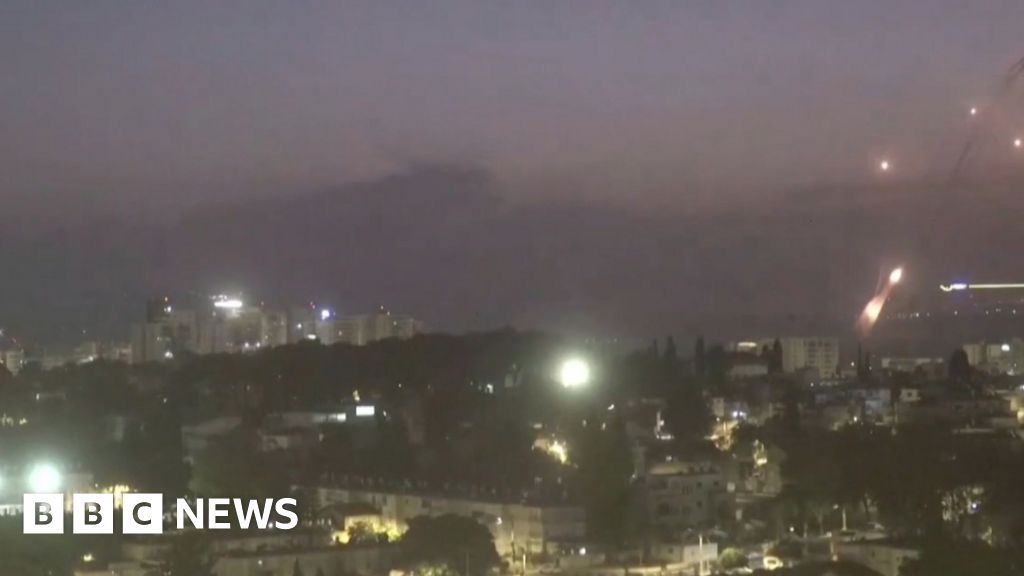
Explosions were reported in Haifa and Tel Aviv following a series of rocket attacks launched from Lebanon, marking a significant escalation in hostilities in the region. These incidents, occurring amid heightened tensions, have raised concerns about the potential for further conflict between Israel and its northern neighbor.
The rocket fire from Lebanon is part of an ongoing pattern of violence that has characterized the relationship between Israel and various militant groups in the area. The situation has been particularly volatile in recent weeks, with exchanges of fire becoming more frequent. The latest attacks have targeted urban centers and heightened fears of a broader military confrontation that could involve multiple actors across the region.
The significance of these events reflects the fragile security situation in the area. The history of conflict between Israel and Lebanon, particularly with Hezbollah, adds complexity to the current crisis. Both nations have engaged in military confrontations in the past, and the potential for miscalculation or escalation remains high. The international community is closely monitoring the situation, as any significant military engagement could have far-reaching implications for both Israel and Lebanon, as well as for regional stability.
In response to the rocket fire, Israeli defense forces have been placed on high alert, and officials have indicated their preparedness to take necessary military action to protect citizens. The Israeli government has condemned the attacks, labeling them as acts of aggression that will not be tolerated. As the situation unfolds, the possibility of retaliatory strikes by Israel could further exacerbate tensions and lead to a cycle of violence that is difficult to contain.
From a Gulf perspective, the ongoing conflict between Israel and Lebanon is a significant concern. Gulf states have been striving for stability in the region, and any escalation in hostilities could undermine their efforts. Additionally, the potential for increased Iranian influence through support for militant groups in Lebanon complicates the geopolitical landscape. As the situation develops, Gulf nations will likely continue to advocate for de-escalation and dialogue to prevent further violence and promote stability in the region.
النسخة العربية
دوي انفجارات في حيفا وتل أبيب بعد إطلاق صواريخ من لبنان، وفقاً لمراسل التلفزيون العربي
شهدت مدينتا حيفا وتل أبيب دوي انفجارات بعد إطلاق صواريخ من لبنان، مما يزيد من حدة التوترات في المنطقة. تأتي هذه الأحداث في ظل تصاعد التوترات الإقليمية، حيث تعتبر هذه الهجمات جزءاً من سلسلة من الأحداث التي تؤجج الوضع الأمني في الشرق الأوسط.
تاريخياً، شهدت الحدود اللبنانية الإسرائيلية توترات متكررة، وغالباً ما تتصاعد إلى مواجهات عسكرية. تعتبر هذه المنطقة واحدة من أكثر النقاط توتراً في الشرق الأوسط، حيث تتداخل المصالح الإقليمية والدولية. ويأتي إطلاق الصواريخ في وقت حساس، حيث تتزايد المخاوف من اندلاع صراع أوسع نطاقاً قد يؤثر على الاستقرار الإقليمي.
لم تصدر حتى الآن تقارير رسمية عن حجم الأضرار أو الإصابات الناتجة عن هذه الانفجارات، إلا أن مثل هذه الأحداث غالباً ما تؤدي إلى استنفار أمني واسع النطاق. في السابق، كانت مثل هذه التطورات تؤدي إلى ردود فعل عسكرية من الجانب الإسرائيلي، مما يزيد من تعقيد الوضع الأمني في المنطقة. وتعتبر هذه الأحداث اختباراً للجهود الدبلوماسية الرامية إلى تهدئة الأوضاع ومنع التصعيد.
Source tweet
🚨 Explosions reported in Haifa and Tel Aviv following rocket fire from Lebanon. Tensions escalate in the region as hostilities continue. #Israel #Lebanon
More Stories
 BREAKING
Shipping Through Strait of Hormuz Halted Following US Blockade on Iranian Ports
 Iran
IranOil Prices Surge 8% to Over $100 Per Barrel Following Trump's Iran Port Blockade
 Politics
Air Raid Sirens Sound in Upper Galilee After Rockets Fired From Lebanon
 BREAKING
Israeli Forces Reportedly Enter Qalqilya in the West Bank, Local Sources Say
 BREAKING