

White House Suggests Gulf Nations Should Bear Conflict Costs
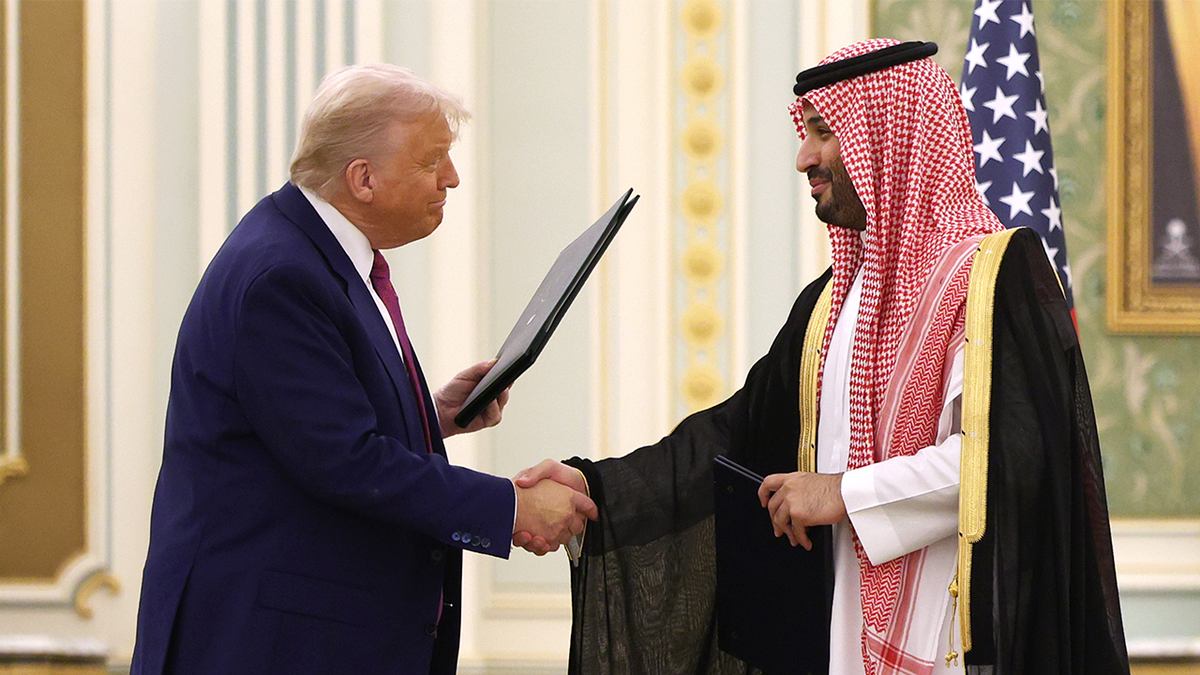
The White House has suggested that Gulf nations may need to bear the financial burden of ongoing military conflicts, raising concerns about the future of U.S. foreign policy in the region. During a press briefing on March 30, White House Press Secretary Karine Jean-Pierre indicated that President Biden is considering a call for Arab nations to cover costs associated with U.S. military actions against Iran. This statement has sparked significant debate regarding the role of these nations as allies or expendable partners.
This announcement comes amid escalating tensions in the Middle East, particularly due to ongoing hostilities involving Iran and its regional implications. Reports indicate that Gulf countries, including Saudi Arabia, the United Arab Emirates, and Qatar, have already incurred substantial financial losses, estimated between $20 billion and $25 billion over the past month alone. These losses stem from disruptions in maritime shipping through the strategically vital Strait of Hormuz, among other factors. The situation has prompted a reevaluation of the perceived security guarantees provided by the United States, with some analysts suggesting that U.S. military bases in the region may no longer serve as protective assets but rather as liabilities.
The White House's position has raised questions about the U.S. commitment to its Gulf allies. While some Gulf nations, such as Saudi Arabia and the UAE, reportedly support continued U.S. military action against Iran, others, including Oman and Qatar, advocate for diplomatic resolutions. This division highlights the complexities of regional politics and the varying degrees of alignment among Gulf states regarding U.S. military strategies. The UAE's Minister of State for Foreign Affairs, Noura Al Kaabi, condemned recent Iranian missile attacks, while officials from Oman and Qatar have expressed a preference for dialogue over military engagement.
The implications of the White House's suggestion extend beyond immediate financial concerns. Analysts have noted that the ongoing conflict has led to growing skepticism among Gulf nations about the reliability of U.S. security assurances. The perception that these nations might be treated as pawns in a larger geopolitical game has fueled doubts about their future collaboration with the U.S. As tensions rise, the potential for a shift in alliances or strategies within the Gulf Cooperation Council could reshape the regional landscape.
From a Gulf perspective, the call for financial contributions to U.S. military efforts could strain relationships further, particularly if nations feel pressured to support actions that do not align with their national interests. The contrasting positions of Gulf states regarding Iran illustrate the delicate balance they must maintain between securing their own interests and responding to external pressures. As the situation evolves, the need for a coherent strategy that addresses both security and economic concerns will be paramount for the Gulf nations navigating this complex geopolitical terrain.
النسخة العربية
البيت الأبيض يقترح أن تتحمل دول الخليج تكاليف النزاع
في تصريح مثير للجدل، أشار البيت الأبيض إلى أن الرئيس الأمريكي جو بايدن يفكر في مطالبة دول الخليج بتحمل تكاليف النزاعات المستمرة في المنطقة، مما يثير تساؤلات حول السياسة الخارجية الأمريكية والمسؤوليات الإقليمية.
تأتي هذه التصريحات في سياق تصاعد التوترات بين الولايات المتحدة وإيران، حيث تعرضت دول الخليج لخسائر مالية كبيرة بسبب النزاعات المستمرة. وفقاً لتقارير إعلامية، فإن السعودية والإمارات وقطر تكبدت خسائر تقدر بين 200 و250 مليار دولار خلال الشهر الماضي نتيجة لتعطيل حركة الشحن في مضيق هرمز، وهو ممر حيوي للتجارة العالمية. هذه الخسائر تضع ضغوطاً إضافية على اقتصادات هذه الدول التي تعتمد بشكل كبير على تصدير النفط.
أثارت هذه التصريحات الأمريكية تساؤلات حول مدى التزام الولايات المتحدة بتوفير الحماية الأمنية لحلفائها في الخليج. فقد أشار بعض المحللين إلى أن القواعد العسكرية الأمريكية في المنطقة لم تقدم الحماية الكافية لدول الخليج، بل أصبحت عبئاً استراتيجياً. كما أن بعض المسؤولين في دول الخليج بدأوا يشككون في فعالية الدعم الأمني الأمريكي، خاصة في ظل استمرار الهجمات الإيرانية على القواعد الأمريكية في المنطقة.
Source tweet
The White House has indicated that President Biden is considering having Gulf nations cover the costs associated with ongoing conflicts. This statement raises questions about U.S. foreign policy and regional responsibilities.
More Stories
 Gulf
GulfGulf Nations: A Diverse Political Landscape
 Africa
Iran's Truce Efforts May Arrive Too Late for African Nations
 BREAKING
Satellite Imagery Suggests Ethiopian Base Supports Sudan's UAE-Backed Rapid Support Forces
 Africa
African Nations Make Significant Strides in Achieving Food Security
 BREAKING