

Massive Explosions Reported in Iran Amid Rocket Fire Targeting Israel

Massive explosions have been reported in Iran as Israel faces a series of rocket attacks, escalating tensions in the region. These incidents have sparked widespread concern and highlight the ongoing volatility in Middle Eastern geopolitics, particularly amid the complex relationships between Iran, Israel, and various militant groups.
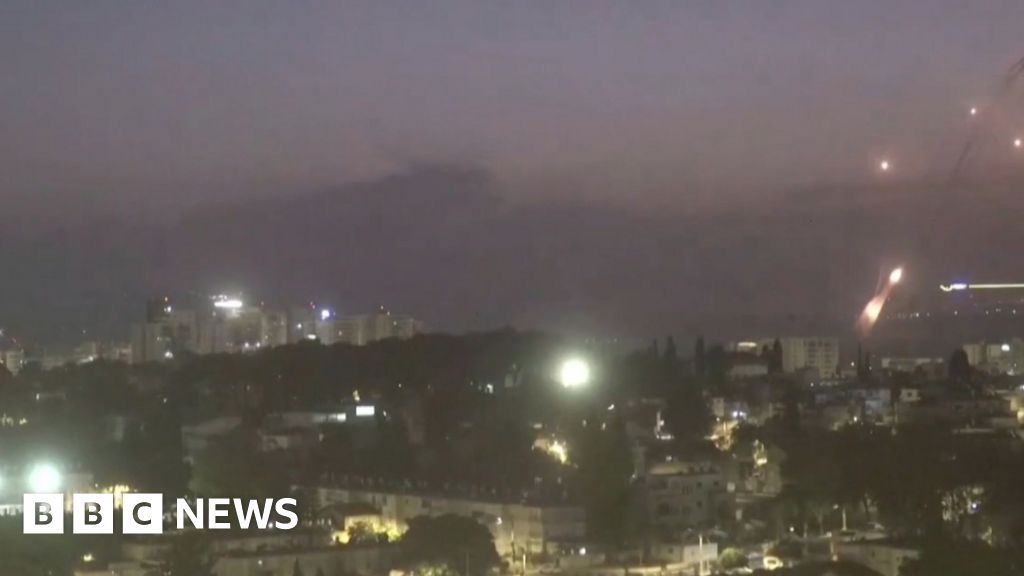
The explosions in Iran were significant enough to be noted across various media platforms, including Telegram, where reports indicated that the blasts were felt in multiple locations. While specific details regarding the cause of the explosions remain unclear, they coincide with a wave of rocket fire directed at Israel, attributed to militant factions that have long been at odds with the Israeli state. This series of events has raised alarms about a potential escalation in hostilities, with both sides on high alert.
The backdrop of these developments is a long-standing conflict characterized by mutual animosity and military engagements. Iran has been a vocal supporter of groups that oppose Israel, including Hezbollah and Hamas, and has often been accused of supplying them with weapons and resources. Conversely, Israel has consistently targeted Iranian interests in the region, viewing Tehran's nuclear ambitions and military support for proxy groups as existential threats. The current situation serves as a stark reminder of the fragile balance of power in the region, where a single incident can trigger widespread conflict.
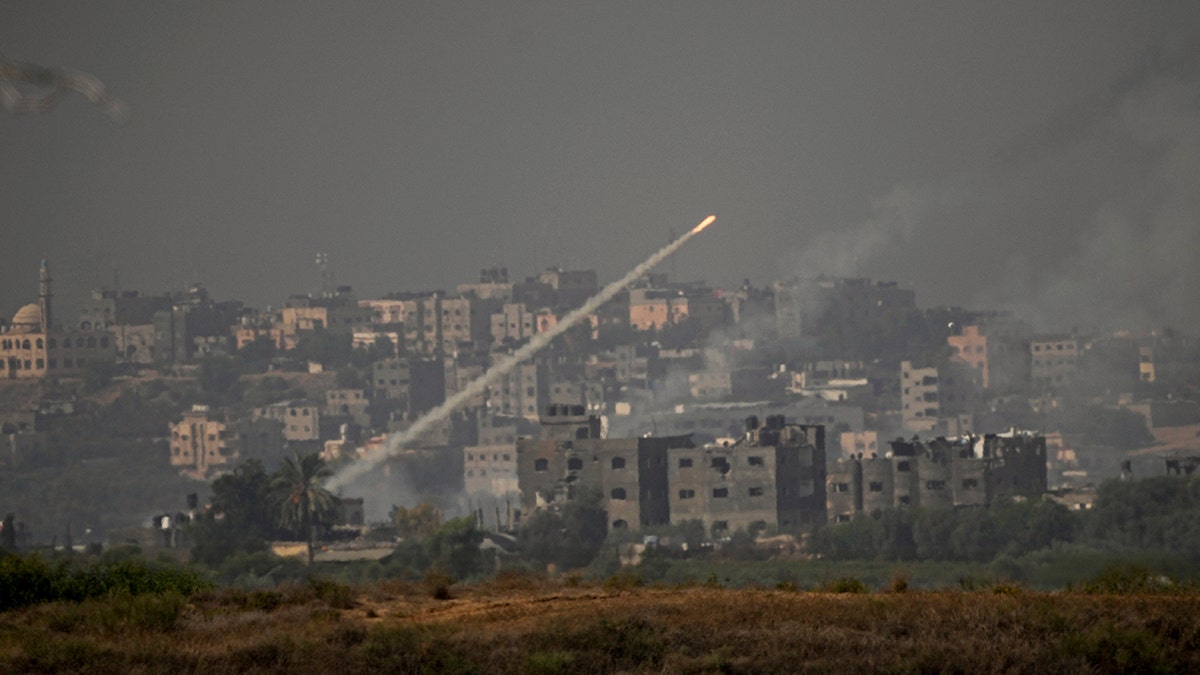
The recent rocket attacks on Israel, reportedly involving multiple strikes, have prompted a robust response from the Israeli military. The Israeli Defense Forces (IDF) have been mobilized to intercept incoming threats and conduct retaliatory operations against the sources of the rocket fire. This cycle of attack and counterattack is emblematic of the broader conflict, where military actions often lead to further escalations and civilian casualties.
As tensions rise, the international community is closely monitoring the situation, with calls for restraint from various governments and organizations. The potential for a wider conflict looms, particularly given the strategic alliances and enmities that define the region. Any significant escalation could have dire consequences not only for Iran and Israel but also for neighboring countries and global security.
From a Gulf perspective, the situation is particularly concerning. Countries in the Gulf Cooperation Council (GCC) have historically sought to maintain stability and avoid direct confrontation with Iran. The recent hostilities could complicate diplomatic efforts aimed at fostering dialogue and cooperation in the region. Additionally, the economic implications of a conflict could reverberate throughout the Gulf, impacting oil prices and trade routes.
As the situation continues to unfold, the need for diplomatic engagement and conflict resolution becomes increasingly urgent. The international community must work towards de-escalating tensions and finding a path to peace, as the stakes are high for all parties involved. The ongoing violence not only threatens regional stability but also poses a risk to global security, making it imperative for leaders to prioritize dialogue over military confrontation.
النسخة العربية
انفجارات ضخمة تهز إيران، فيما تتعرض إسرائيل لعدة هجمات صاروخية، مما يزيد من التوترات في المنطقة
شهدت إيران سلسلة من الانفجارات الضخمة، بينما تعرضت إسرائيل لهجمات صاروخية متعددة، مما يساهم في تصاعد التوترات في منطقة الشرق الأوسط. تأتي هذه التطورات في وقت حساس، حيث تشهد المنطقة توترات سياسية وأمنية متزايدة، مما يثير قلق المجتمع الدولي بشأن استقرار الأوضاع.
الانفجارات التي هزت إيران لم تتضح تفاصيلها بعد، لكن توقيتها يتزامن مع الهجمات الصاروخية التي استهدفت إسرائيل، مما يثير تساؤلات حول ارتباط الأحداث ببعضها. لم تعلن أي جهة مسؤوليتها عن الهجمات الصاروخية، لكن التوترات بين إيران وإسرائيل ليست جديدة، حيث تتبادل الدولتان الاتهامات بشأن التدخلات والتصعيد العسكري في المنطقة.
الهجمات الصاروخية على إسرائيل تأتي في سياق نزاع طويل الأمد بين إسرائيل والفصائل المسلحة في المنطقة، حيث تعتبر إسرائيل أن إيران تدعم بعض هذه الفصائل. وقد شهدت السنوات الأخيرة تصاعداً في الأعمال العدائية بين الجانبين، مما أدى إلى زيادة التوترات الإقليمية والدولية.
Source tweet
انفجارات ضخمة تهز إيران، فيما تتعرض إسرائيل لعدة هجمات صاروخية، مما يزيد من التوترات في المنطقة.
More Stories
 Politics
Air Raid Sirens Sound in Upper Galilee After Rockets Fired From Lebanon
 BREAKING
Israeli Forces Reportedly Enter Qalqilya in the West Bank, Local Sources Say
 BREAKING
Hezbollah Claims Rocket Attack on Israeli Artillery Positions Near Sa'sa Settlement
 BREAKING
Israeli Army Reports Two Soldiers Injured by Hezbollah Rocket in Southern Lebanon
 Politics